Travel

On Traveling vs. Vacationing

It finally feels like we’re to a place where we can tentatively start to dream about future travel, and it’s a funny feeling, isn’t it? I’ve pretty much been vacillating wildly between daydreaming about plunking myself down on a beach in the middle of the Aegean horking down Greek salads and Aperol spritzes and not moving for a week, and ruminating on past travel anxieties, and how those might manifest themselves in this new world we find ourselves in. Before my last international trip in July 2019 (oh god, almost two years ago already o_O), I experienced an unexplainable, unexpected, and very unfamiliar bout of travel anxiety. It was rather strange and unnerving to experience – I’m a good traveler, have gone on many solo international trips without incident, and up until recently was employed in the adventure travel industry with a bevy of knowledge and experience that helps me feel comfortable and capable in lots of different situations. Why, then, was I sitting outside on the patio two hours before leaving for the airport, feeling like I didn’t want to get on the plane? Why, when we reached Barcelona, was I enjoying myself, but at the same time feeling stressed and anxious about how we were going to structure our limited time and what we were going to see? The night before our last day in Barcelona, looking at my husband over the spread of guidebooks and maps and two phones full of articles and lists trying to figure out what to pack in to our last day, I felt the anxiety building and my enjoyment of what was supposed to be an relaxing vacation dropping in equal measure. I looked at him and said, “This is too much for me to handle. Can we just go to the aquarium tomorrow and forget about Montjuïc?”
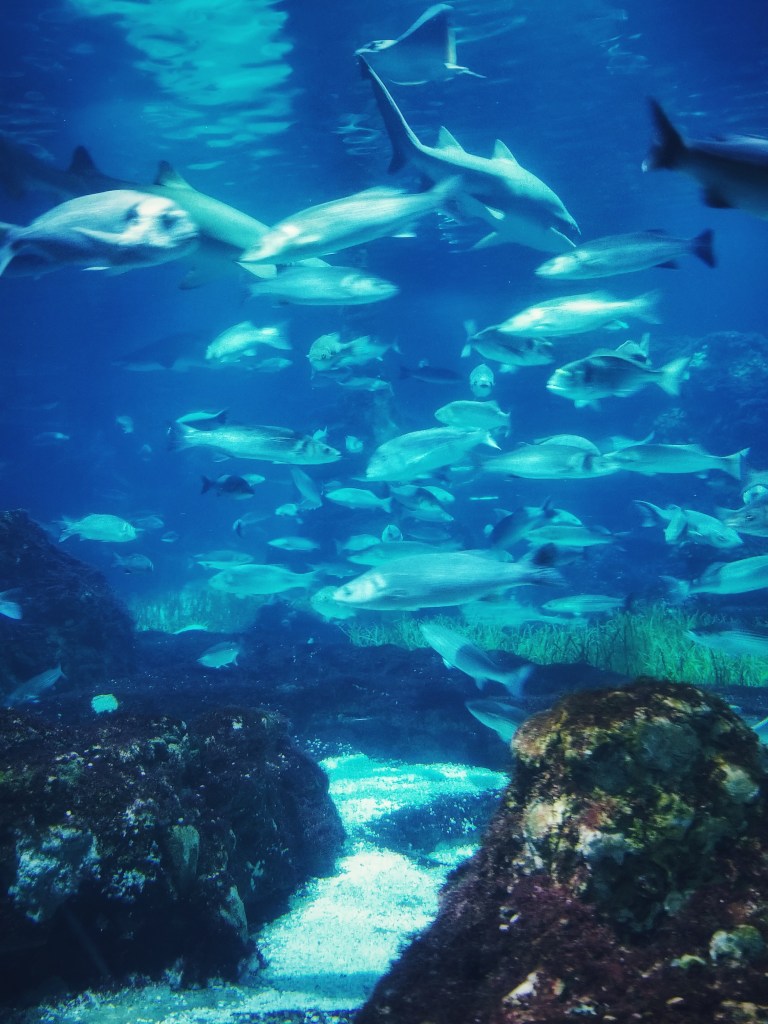
So that’s what we did. We ditched Parque Güell and Montjuïc and spent the morning looking at a bunch of fish instead, and it’s one of my favorite travel memories. Both because my husband was so accommodating and kind to ditch plans and make space for my anxiety, and because I stopped trying so hard to see it all and just had a moment instead. As I was telling this story to a friend recently, she said “yeah, it’s hard when you’re traveling but would rather be vacationing, isn’t it?”

I couldn’t believe that up until this point I had never considered that there can be a difference between traveling and vacationing (words that often get used interchangeably). That perhaps the root of my anxiety was feeling in that moment like I had to be traveling, when what I really wanted to be doing was having a vacation. That I’ve returned from a bevy of international trips feeling like I had a great time and saw a lot, but also not feeling rested or rejuvenated. That perhaps my sense of obligation to “see it all” was interfering with the reason I want to travel in the first place – to interrupt the mundane, to test the edges of my comfort zone, to be immersed for a brief period of time how other people live and experience their corner of the world, and to hopefully gain some sort of renewal and perspective at the end of it.
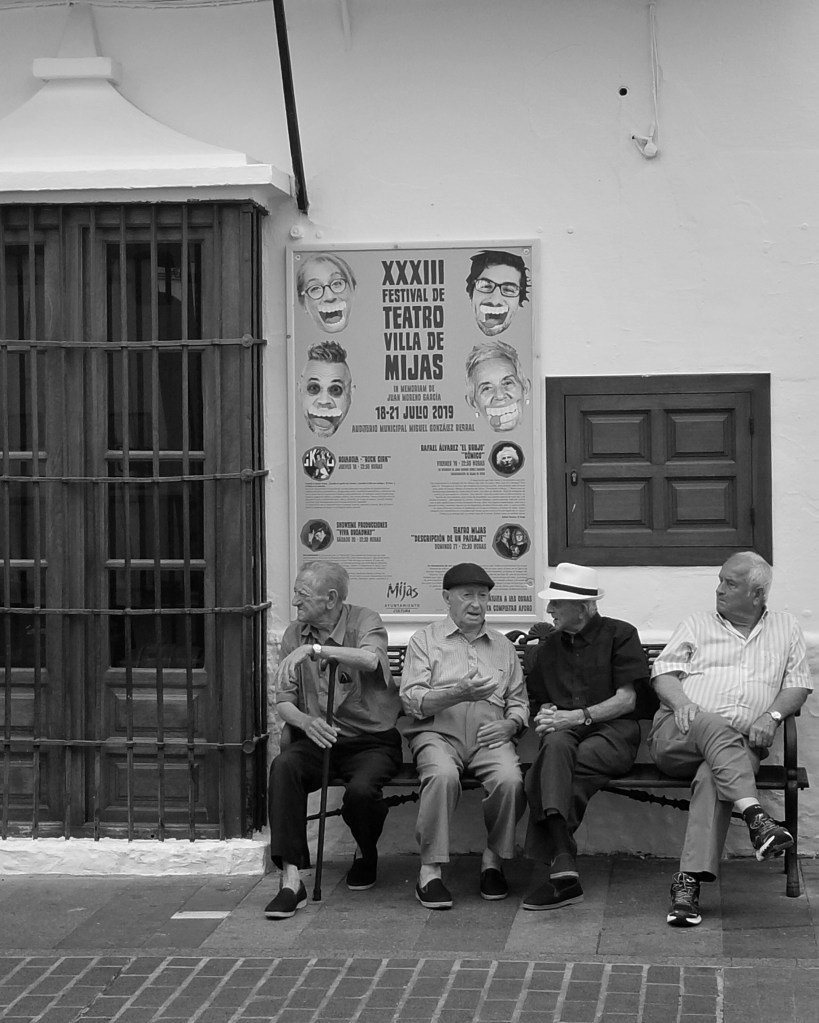
I think there is often this pressure we all put on ourselves to make sure we’re maximizing whatever duration of time we have to spend in a place when we travel. Flights are expensive, time off is limited – we will maybe never be in Rome/Peru/Southeast Asia/Burgundy/Cool Place again, so we have to pack it all in while we’re here, right? We look at “36 Hours” guides from the New York Times, we Google Top 10 lists and Trip Advisor reviews and plot and prioritize, weaving a complicated web of opening times and distances between the must-see sites and walking vs. Uber vs. public transit to chart the most efficient route through it all. Some people, no doubt, thrive on this kind of movement and energy, and this is by no means a rebuke of this style of travel. For me, though, there is also the sense of somehow missing the forest through the trees. Sure, I saw it “all”, but how much did I actually experience? I have always wanted travel to be more than a checklist, and I still don’t think I’ve gotten the balance right. I head off, expecting to have a vacation, but not always finding those feelings of renewal and gained perspective among the travel from point A to B to C.

So, where’s the balance? How do we feel like we’re taking advantage of our time in a new place and fully immersing ourselves in what it has to offer, without the checklist swallowing you whole? For me, I’m starting to find answers by looking back at one of my most meaningful travel experiences, to the Galápagos in March 2016. Essentially, the joy of this trip boiled down to three things:

  • A meaningful exchange with nature, and a deeper understanding of place and rootedness in a particular part of the world because of it
  • A home base for exploration
  • The opportunity to be challenged

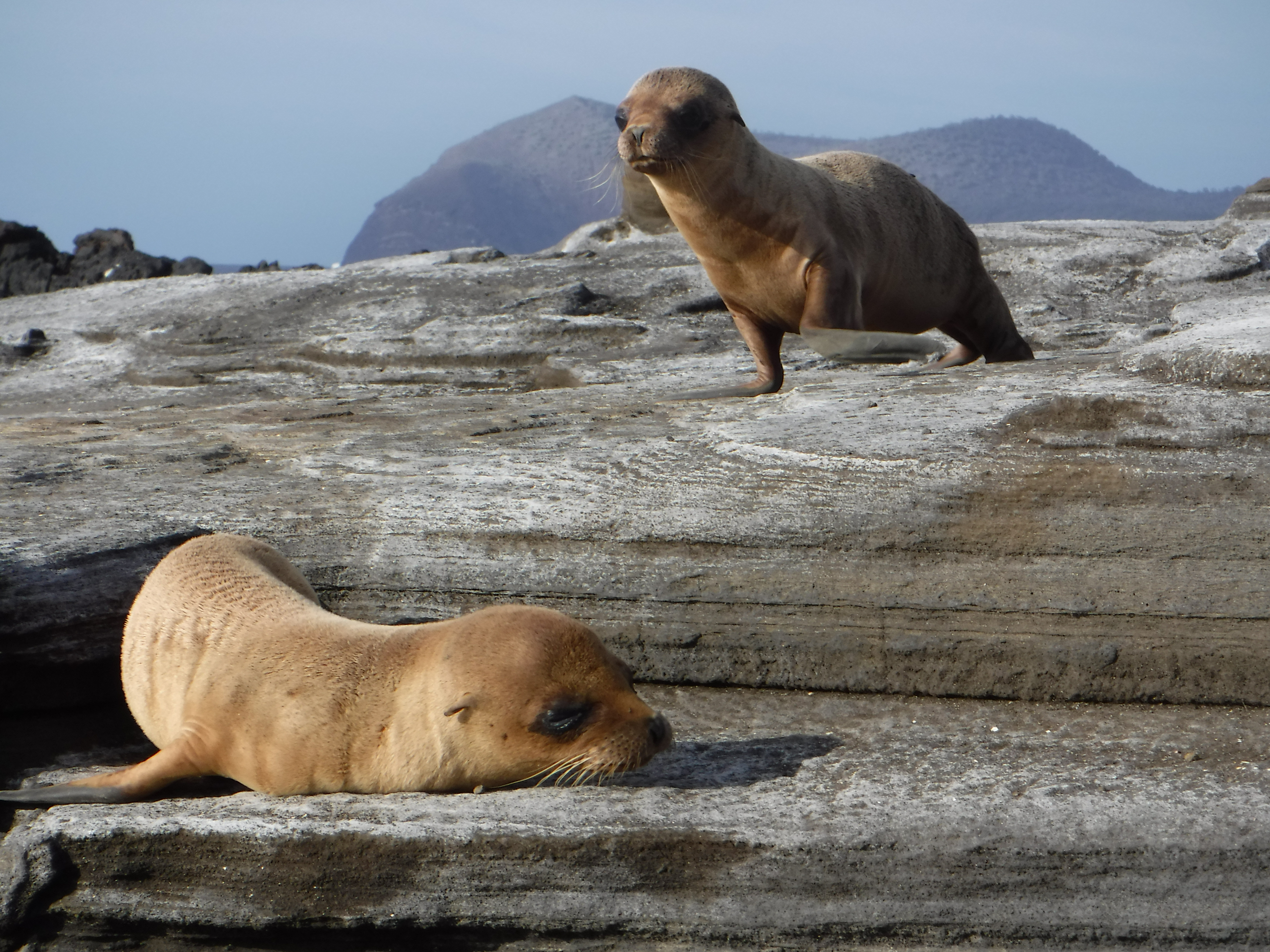
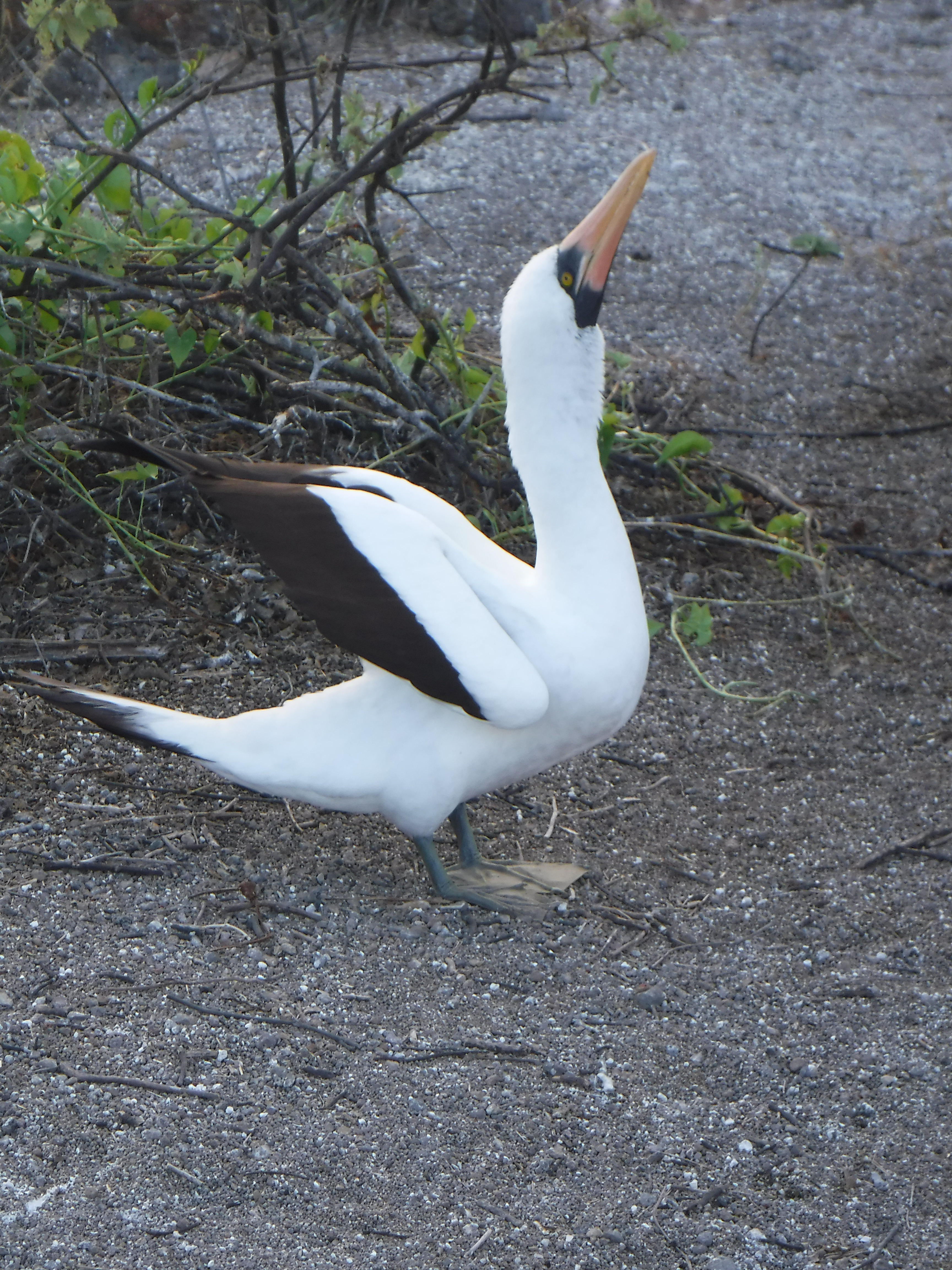
The first element of interaction with nature is perhaps the most meaningful. Spending a week literally surrounded by the natural world in the form of marine iguanas, sea lions, sea turtles, and blue-footed boobies, immersed in the Pacific Ocean with daily snorkeling, basking (and burning) under the equatorial sun, and eating food made with local ingredients gave me a profound sense of connection to the Galápagos in an extremely short amount of time. On an 16-passenger ship six hundred miles off the coast of Ecuador with no internet, I was blessedly free to pay attention to what nature was sharing, and to do my best to learn from it. I felt rooted to this place, and like a seedling in the earth, was able to draw up energy and growth from it.
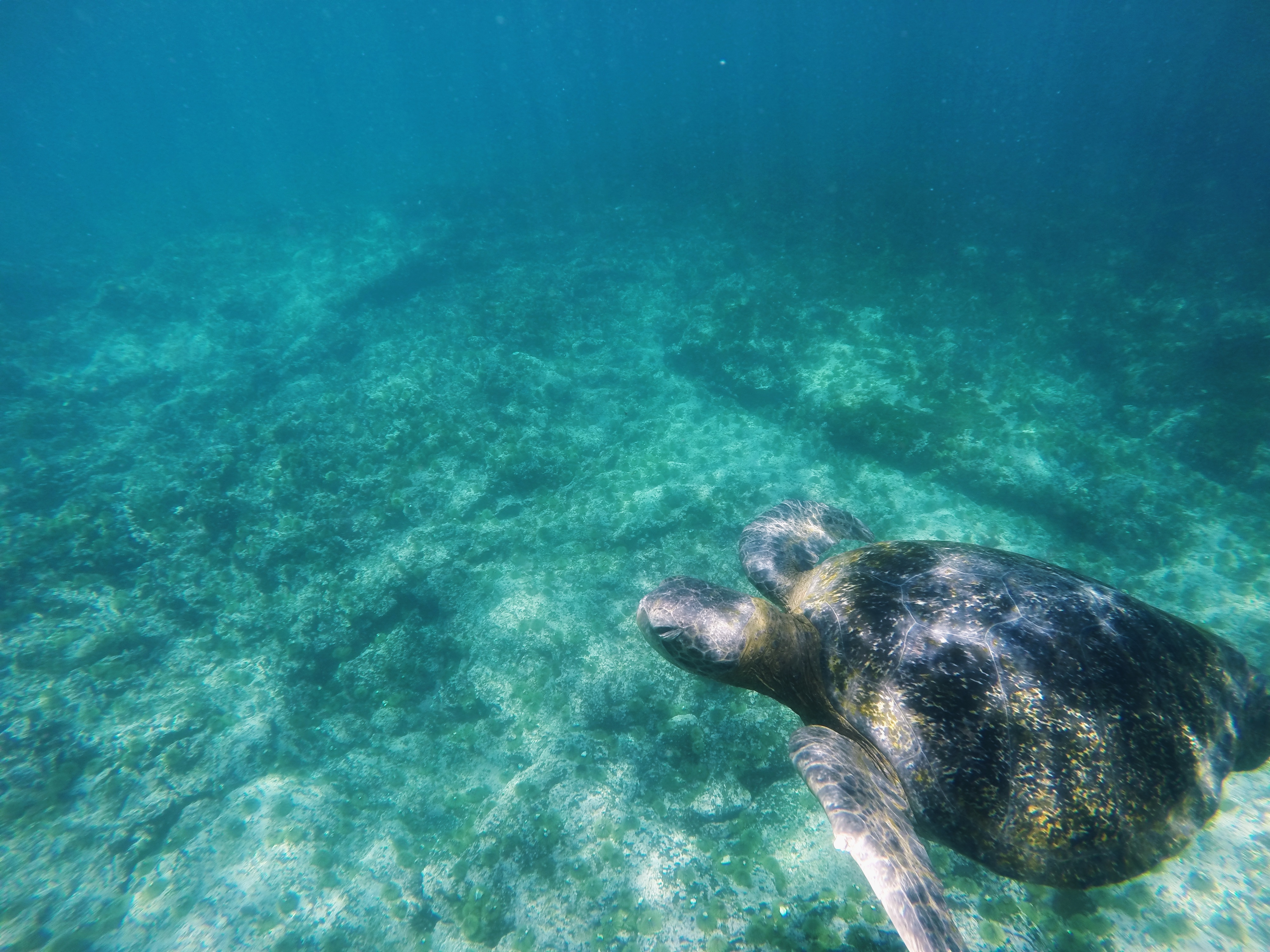
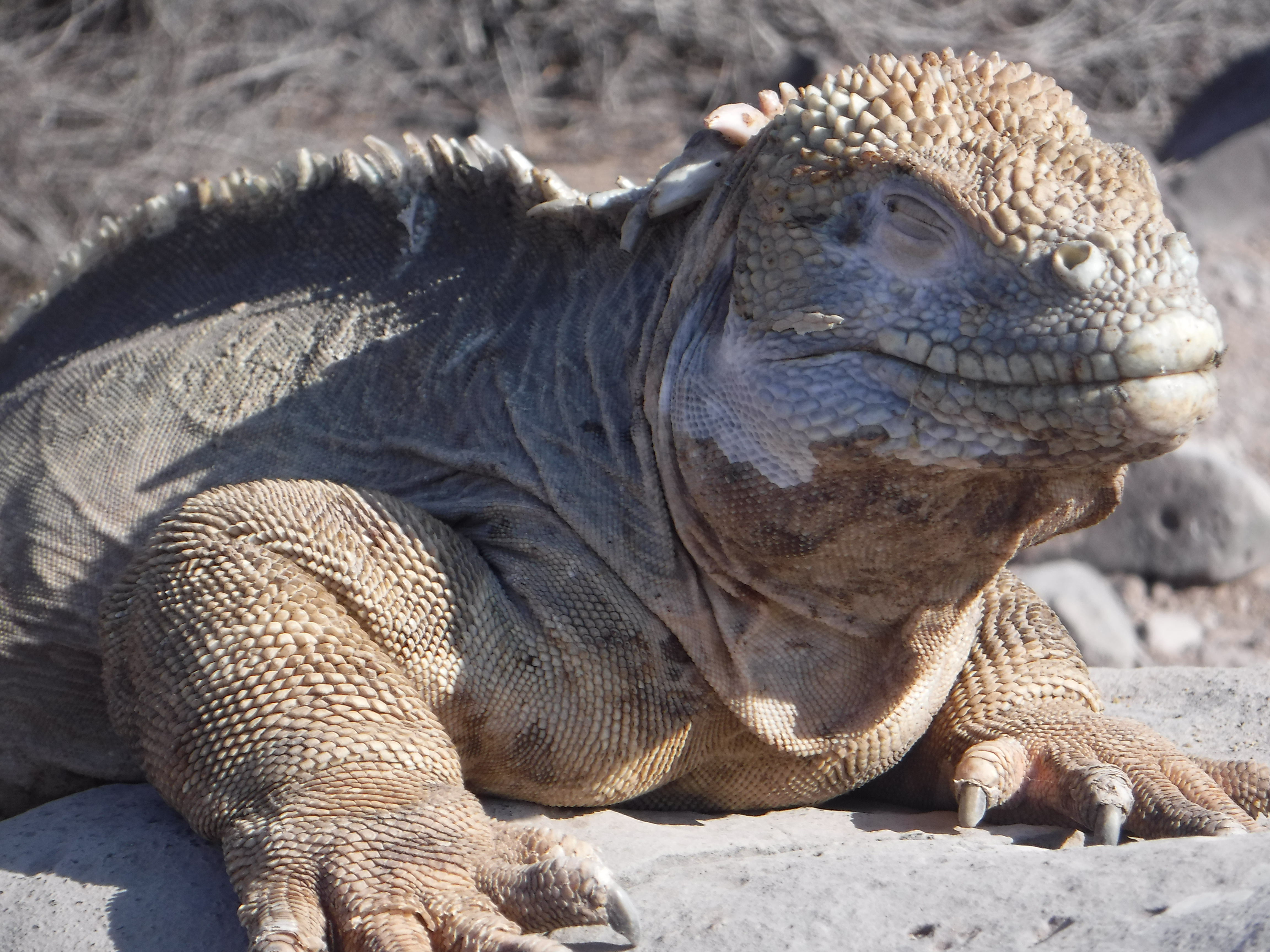
Listening, standing witness, creates an openness to the world in which the boundaries between us can dissolve in a raindrop.

Robin Wall Kimmerer, Braiding Sweetgrass

When I say nature, I don’t necessarily mean that you need to be surrounded by wildlife or remote vistas in order to to have a meaningful, balanced travel experience. You can engage just as authentically with nature in the middle of Paris as you can in the middle of nowhere – wildness is everywhere, if you know where to look.

But I had learned to see another type of wildness, to which I had once been blind: the wildness of natural life, the sheer force of ongoing organic existence, vigorous and chaotic. This wildness was not about asperity, but about luxuriance, vitality, fun. The weed thrusting through a crack in a pavement, the tree root impudently cracking a carapace of tarmac: these were wild signs, as much as the storm wave and the snowflake.

Robert Macfarlane, The Wild Places

Learn what ingredients are in season where you are, and seek out dishes made with them. Many cities have botanical gardens – visit one and learn a bit about their native plants. Get a wildlife identifier app like Seek on your phone and look up unfamiliar flora and fauna as you encounter it. Do some reading (either before the trip, or in the evenings before you go to bed) about the native peoples that inhabited (or still inhabit) this place and how they lived. Just making the effort to pay attention to these things that often go unnoticed among the hustle of the traditional travel experience will immerse you more fully, and also has a funny way of expanding time with more meaning packed into smaller moments. I remember more about the three magical minutes we spent watching orcas surface directly beside our panga than a full twelve hours spent in Quito hopping from church to plaza to monastery to market. And, somewhat contrarily, I found these kinds of experiences to be as rejuvenating as they were exhilarating – the best of the vacation and travel worlds combined.
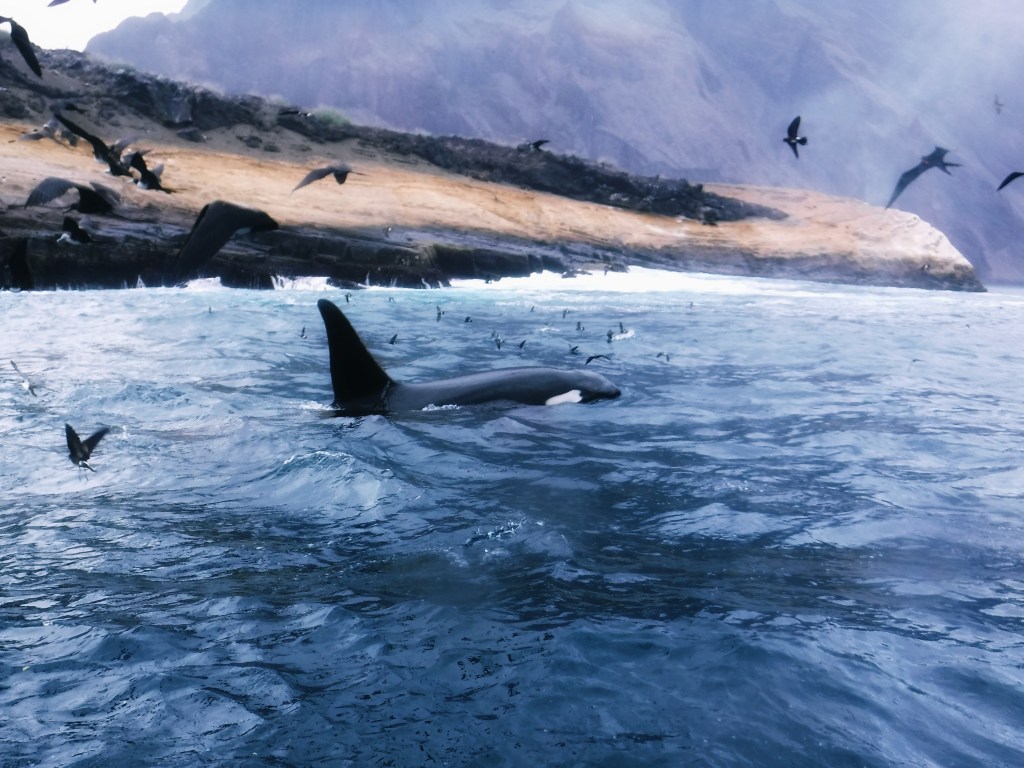
The second factor is less esoteric and more practical, but equally important. Pick a home base, and try to stay there for as long as you can. In the Galápagos this is easy to do, as the two main ways to see the islands are via a small cruise ship (which I did), or staying on one of the populated islands with daily boat trips out to other islands. However, this is a strategy I’ve been far less successful with on land-based trips – particularly in somewhere like Europe, where it feels so relatively easy to get on a train or a plane and see a different place (or even a different country) in a relatively short period of time. I’ve dubbed this “obligation traveling” – feeling like you have to see and do All The Things in order to properly maximize your time and make the trip “worth it”.

For me, however, this style of traveling has resulted more often in anxiety, in reduced relaxing/meaningful experiences while in transit, and not enough time to feel connected to any particular one place. It’s great for the checklist and the ‘gram, but can come at the expense of a more authentic and enriching travel experience. Next trip, I plan on parking my butt in one place and staying there – seeing the local sights, going on long walks, eating lots of local food, going on short day trips, and trying to do a little more living and a little less traveling. Let’s call it micro-traveling. Hyper-regional traveling? Slow traveling? I’m still workshopping it. But it comes back once again to rooting yourself in a new place, and seeing what nourishment you take up because of it. Grow, little seedling, grow.

“Home base” in the Galápagos – the 16 passenger M/Y Grace

Third and finally, let’s talk about the joy of being challenged.

Enjoyment appears at the boundary between boredom and anxiety, when the challenges are just balanced with the person’s capacity to act.

Mihaly Csikszentmihalyi, Flow: The Psychology of Optimal Experience

This is perhaps the most difficult out of the three to put into practice, but really important to having fulfilling experiences in general (not just travel). In the Galápagos, I was challenged by flying to a country and a continent I had never been to before. I was challenged by new foods and different flavors (and a quick bout of food poisoning, oopsies. I’ll just state for the record that 24 hours on a small yacht sharing a tiny cabin bathroom with your mother when you’re both ill is not something I would necessarily strongly recommend, but riding alongside orcas and swimming with a pod of sea turtles is a great way to recover, even if you are just a bit worried the whole time about pooping in your wetsuit). My body was challenged by 6+ daily hours in the equatorial sun; by daily (and sometimes early) long hikes, and by hours of swimming in open water. What made these challenges so fulfilling is that I knew that they were not easy, but I also knew I was capable. It’s not fun or fulfilling to be bored and unchallenged – and neither is facing a challenge you know is beyond your ability to overcome.
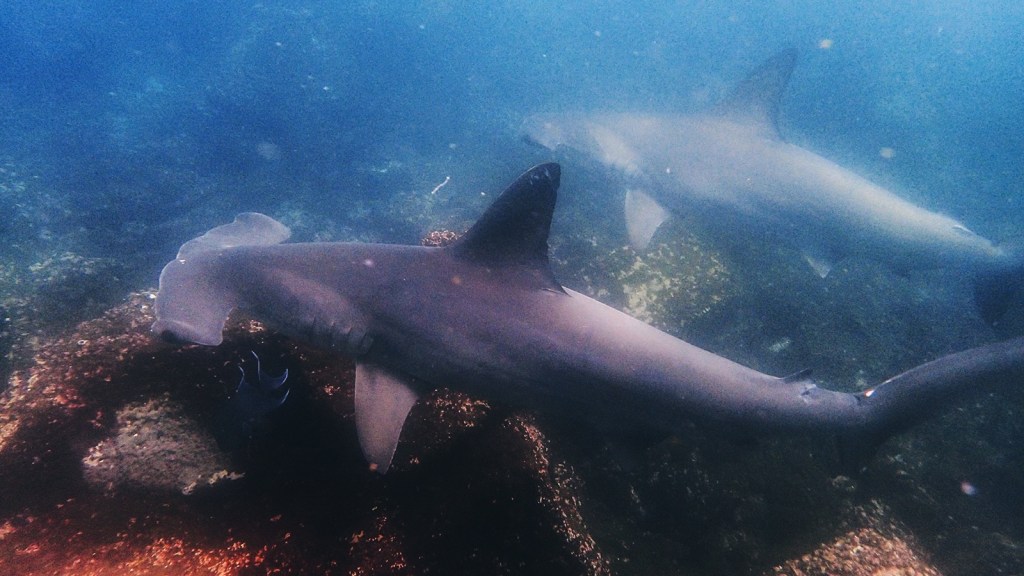
I thought swimming with sharks would be more of a challenge than it was – there was no time to be anything other than in awe!

Here, then, we come to the sweet spot where vacationing and traveling come together – when you intentionally challenge yourself in ways you know you are capable of succeeding.

Only you will know what this looks like for you, but there are lots of small ways to rattle the cage of your comfort zone a lil – which is one of the big reasons we all travel in the first place! Just visiting somewhere new is perhaps the most obvious, but new foods, traveling alone for the first time (or with someone for the first time!), physical challenges like outdoor recreation or walking up a steep hill instead of taking the cable car, or striking up a conversation with someone (especially when you’re an introvert) are just a few of many ways to create small manageable challenges. That sweet spot between boredom (not challenged) and anxiety (too challenged) is where we thrive, where we are energized, and where we are nourished. It takes some experimentation to find where this boundary is for you, but one good place to start is by examining your past travel memories – I think you’ll find that the things that stick out months or years later are often when you were humming along in this zone.

Contrary to what we usually believe, moments like these, the best moments in our lives, are not the passive, receptive, relaxing times—although such experiences can also be enjoyable, if we have worked hard to attain them. The best moments usually occur when a person’s body or mind is stretched to its limits in a voluntary effort to accomplish something difficult and worthwhile. Optimal experience is thus something that we make happen.

Mihaly Csikszentmihalyi, Flow: The Psychology of Optimal Experience

So, as we all continue to dream about our next travel experience when it is safe to do so, next time you head out in the world I encourage you to intentionally root yourself by engaging with nature, center yourself with a home base and regionally-focused experiences, and challenge yourself with manageable journeys outside your comfort zone. You can feel energized, but also relaxed. You can check things off the list without the sense of obligation to See It All. You can gain perspective, but also renewal.

You can travel, and you can also vacation.
Books

Top 10 Books for St. Patrick’s Day (Non-Fiction)

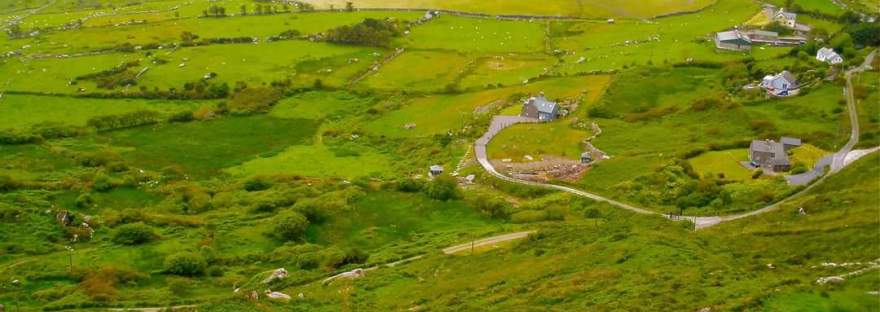
The St. Patrick’s Month festivities continue! To follow up on my previous post about the best fiction books to read for St. Patrick’s Day, I wanted to separate out the non-fiction books into a different list for those looking to dig a bit deeper – this list covers both the Republic and Northern Ireland, and covers the breadth of the Irish experience, from rural living to travelogues to The Troubles to pub culture to the Irish language to folklore. Enjoy!

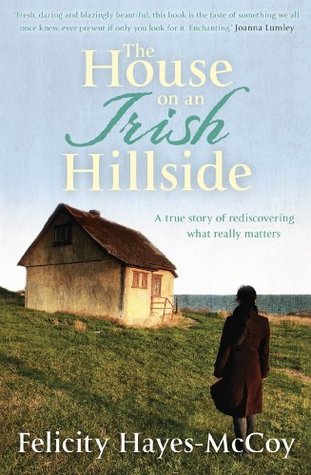
The House on an Irish Hillside by Felicity Hayes-McCoy

This book is more like a series of vignettes of life in rural Ireland on the Dingle Peninsula, effortlessly woven together into an evocative narrative. Felicity’s stories are beautiful in their simplicity, full of winding roads, nights full of music and story, cows, community, and the stark beauty of the Irish landscape. For a window into the spirit and community of life in the country, I can’t recommend a book more highly than this one.

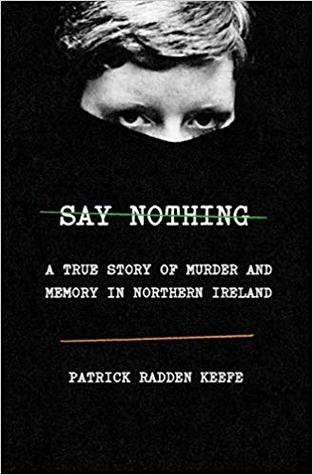
Say Nothing: A True Story of Murder and Memory in Northern Ireland by Patrick Radden Keefe

This book won a whole bucket of awards, and with good reason. If you’re looking to better understand Northern Ireland, The Troubles, the IRA, and stories of the ordinary lives forever changed, this is as engrossing as it is educational. One of my very few 5-star reads – it’s very unusual for me to find a non-fiction book I don’t want to put down, but this is one of them!

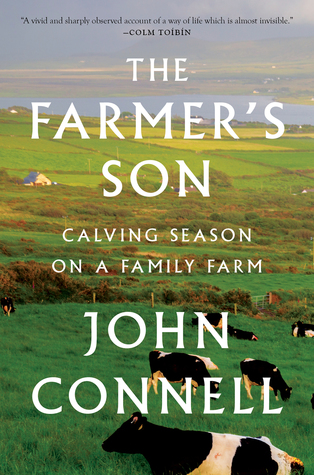
The Farmer’s Son: Calving Season on a Family Farm by John Connell

This is, as one Goodreads reviewer put it, a “quiet little gem” of a book that had me enjoying learning about animal husbandry far more than I ever thought I would. While not overtly sentimental, John Connell’s writing observes beautifully and honestly the joys of working in and with nature, along with the extreme hardships. Ultimately it’s a story of the author falling in love with a simpler way of life, and he invites the reader to fall in love too.

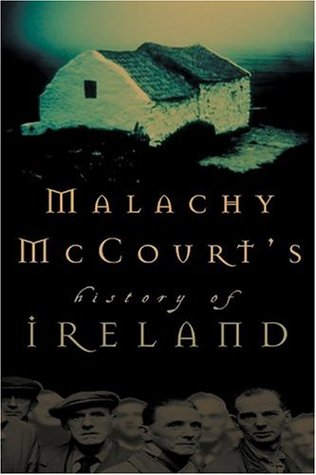
Malachy McCourt’s History of Ireland by Malachy McCourt

If you want one, not terribly lengthy book to get a broad overview of all the high points in Irish history, this is the book to pick up. It’s a very tall order to try to cover a complete history from Cu Chulainn to Sinead O’Connor in 400 pages, but McCourt’s easy, storytelling style lets this read far more like narrative non-fiction than a history textbook. (Sidenote: Malachy is the brother of Frank McCourt, author of the popular memoir Angela’s Ashes)

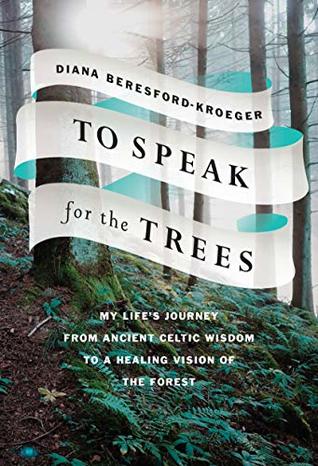
To Speak for the Trees: My Life’s Journey from Ancient Celtic Wisdom to a Healing Vision of the Forest by Diana Beresford-Kroeger

This book sits at the intersection of environmentalism and Celtic spirituality, and is a fascinating exploration of how Druidic principles can guide all of us in better stewardship of the Earth. It is an exploration of how trees in particular can help stabilize our climate, but also speaks to a greater philosophy at large “rooted in a vision of nature that saw trees and forests as fundamental to human survival and spirituality”.

Pint-Sized Ireland: In Search of the Perfect Guinness by Evan McHugh

No St. Patrick’s Day list would be complete without at least one book centering around Ireland’s pub culture. The premise of this book is ostensibly to find the “best” pint of Guinness in Ireland, but really it’s a travelogue laid over the framework of a country-wide pub crawl, so no worries if a pint o’ the black stuff is not your main Irish cultural interest. And, at a zippy 280 pages, it’s a quick but entertaining way to spend an afternoon or two journeying around Ireland.

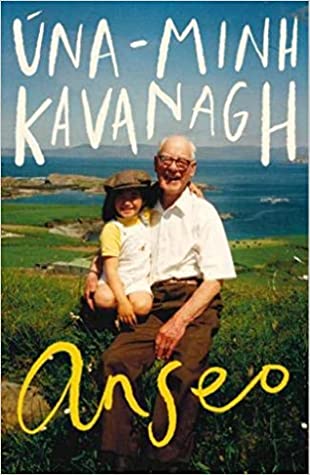
Anseo by Una-Minh Kavanaugh

A very quick, yet interesting read on Irish identity. The author was adopted from Vietnam as a baby and dealt with varying degrees of racism for much of her life growing up in Ireland, but her relationship with the land, her grandfather, and particularly the Irish language presents a fresh perspective on modern-day Irishness. And, as someone currently learning Irish through Duolingo, I really appreciated her perspective on what many consider to be a dying language (it’s not!) and the unique ways (like streaming in Irish on Twitch) she has brought the language into everyday life.

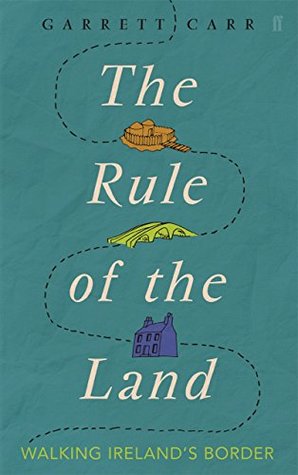
The Rule of the Land: Walking Ireland’s Border by Garrett Carr

Equal parts nature writing and travelogue – with dashes of history, politics, and human interest pieces scattered throughout – this was an insightful journey covering the full length of the border between Ireland and Northern Ireland (and now, in a post-Brexit world, the border between the EU and the UK). While this book doesn’t delve much into the complicated politics surrounding the border, Carr lets his observations speak for themselves as he notes the connections (both figurative, and literal bridges and roads) between these two countries, as well as the divisions.

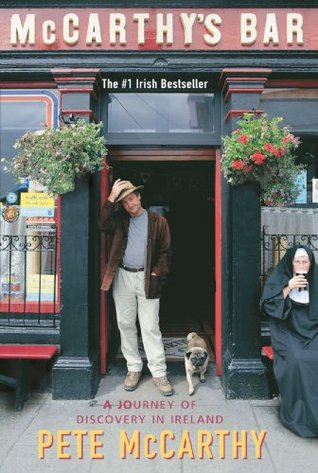
McCarthy’s Bar: A Journey of Discovery in Ireland by Pete McCarthy

McCarthy’s writing style is funny and warm, and as he makes his way around Ireland (always stopping at any bar that bears the McCarthy name) he has me wishing to revisit places I’ve already been, and identifying greatly with the questions of Irish identity he wrestles with during the course of his journey. It’s a bit dad-humor centric, but if you grew up reading Dave Barry like me it feels almost nostalgic in a way, and as this book was first published in 1999 it’s interesting to see how the face of Irish tourism has adapted and changed through the years.

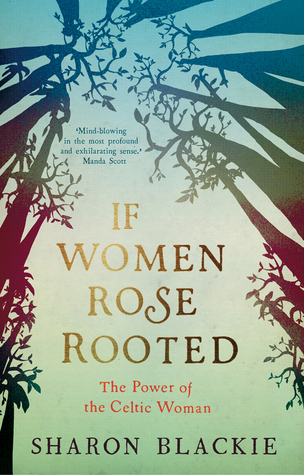
If Women Rose Rooted: The Power of the Celtic Woman by Sharon Blackie

While not expressly “about” Ireland, this book powerfully weaves together two of our most profound inheritances from Celtic tradition – folklore and the power of the feminine. Part memoir, part storytelling, part nature writing, part self-help, and part call to action, I think this book is especially meaningful and needed during a time when so many of us may feel unmoored and adrift.

Books

Top 10 Books for St. Patrick’s Day (Fiction)

Happy March, friends! [insert Robin William’s “What year is it?!?”.gif here.] I think this is a bit of a painful month for many of us as we mark the anniversary of a lot of shitty life events, but I’m trying to lean into the loveliness that March brings – the return of spring, the energy of new growth and the cultivation of the earth, and the celebration of Irish heritage. While St. Patrick’s Day celebrations once again will not feature the food, fellowship, and communal imbibing that they should in happier times, there are still fun, meaningful ways to celebrate Irish heritage and tradition regardless. Both before and during my time living in Ireland I’m ashamed to say I didn’t read a single book by an Irish author, about Ireland, or set in Ireland (other than guidebooks!). Since then, however, I’ve read almost 70 books that fit into one of those three categories, and I know it’s cliche, but the right book can really be transportive in a way that’s so needed right now. Particularly as so many of us globally can trace roots back to Ireland (about 70 million people worldwide), this is the perfect time of year to explore that heritage with a good book.

Is it possible to have some kind of genetic memory of a place where you’ve never lived, but your ancestors have? Or am I just a sentimental fool, my judgment fuddled by nostalgia, Guinness, and the romance of the diaspora?

Pete McCarthy, McCarthy’s Bar: A Journey of Discovery in Ireland

So, here are my top 10 fiction books/series for couch traveling to Ireland as we all look forward to the day when we can return in person (non-fiction list coming in a separate post!).

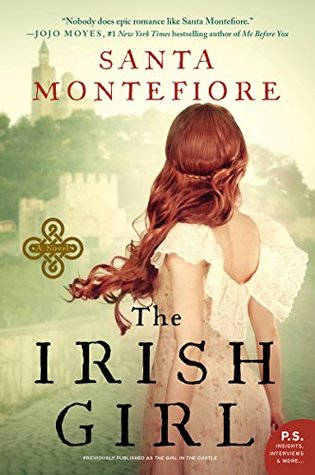
The Deverill Chronicles by Santa Montefiore

These books have different names depending on where they were published (the first book, for example, can be called The Irish Girl, The Girl in the Castle, or Songs of Love and War depending on which version you’re reading). Now we’ve got that confusion out of the way, though, be prepared for one of the most beautifully immersive multi-generational stories I’ve ever read. The series centers around an Anglo-Irish family, the Deverills, and provides an evocative snapshot of the dichotomy between Irish and British, told through character-driven story and always with the lush backdrop of County Cork as a constant supporting character.

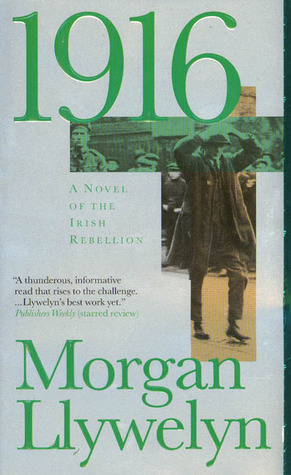
The Irish Century Novels by Morgan Llwelyn

Morgan Llwelyn is the queen of Irish historical fiction. This series of 5 novels, each named for an important year in Irish history, tells the history of 20th century Ireland (from the 1916 Easter Rising to the Celtic Tiger of the late 90s) in such a beautiful, engrossing, character-driven way you won’t even notice how much history you’re learning along the way.
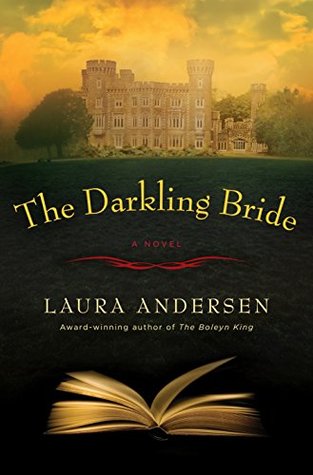
The Darkling Bride by Laura Andersen

Gothic murder mysteries, old libraries, multiple generations, and set in one of the prettiest places in Ireland (Wicklow). Yes please.

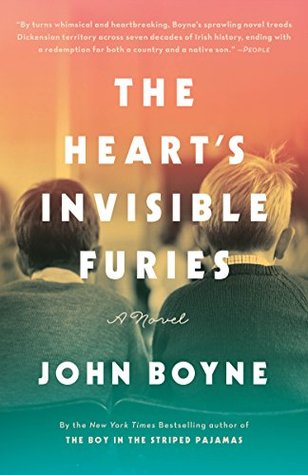
The Heart’s Invisible Furies by John Boyne

Like many Irish novels that grapple with the realities of growing up in a country at times defined by hardship (economic, religious, emotional, and otherwise), this isn’t the cheeriest of novels. What it is, however, is an emotionally riveting story of the history of LGBTQ rights in Ireland in the 20th century, and one man grappling with his own personal journey growing up gay in a country and a church that would not accept him. It is funny, it is unbearably sad, it is hopeful, it is wrenching. Sometimes the best thing you can say about a book, though, is that it’s just a damn good story, and that’s what this is.

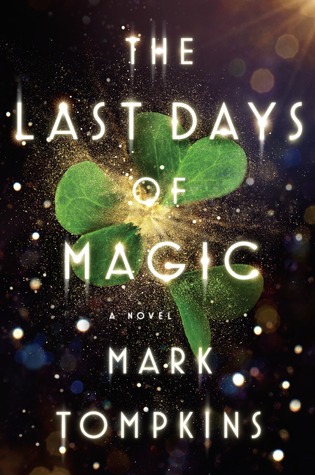
The Last Days of Magic by Mark Tompkins

A historical fantasy saga centering around Ireland’s rich history and lore as a land of magic, this book combines two things I love – medieval history and Irish legends. This is one of those epic tales with stakes to match, and in this case it’s the existence of magic itself. I picked it up at a local bookstore in 2016 based on the cover alone, and suffice to say it does not disappoint.

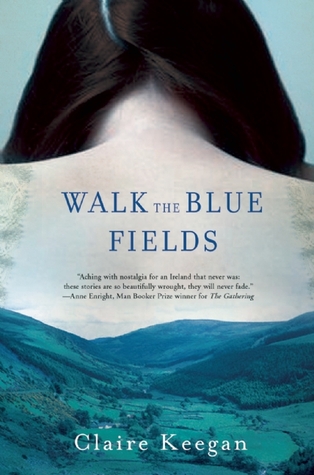
Walk the Blue Fields: Stories by Claire Keegan

I’m not usually a big fan of short story anthologies, but this was a welcome exception. Unlike the previous book on this list, the scope of these stories are often intimate and ordinary, mostly set in contemporary rural Ireland. As can sometimes be the case with Irish fiction, these stories are tinged with melancholy, but the kind that makes you ache in a good way.
Cozy Mysteries

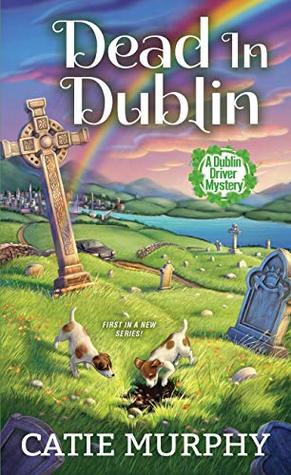
When you’re searching for a niche interest (I wanna read books that take place at Halloween! I want a book about a florist’s shop! I want a book that takes place in Ireland!), cozy mysteries are always my fallback. If you’re interested in it, I can almost guarantee someone’s written a cozy mystery about it, and Ireland is no exception. The three series I’ve enjoyed the most are The Dublin Driver Mysteries, Gethsemane Brown Mysteries, and County Cork.
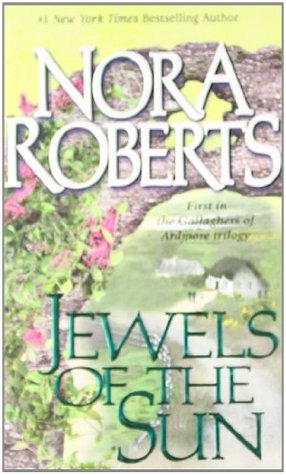
Gallaghers of Admore Series by Nora Roberts

Oh yes. You can’t talk about fiction set in Ireland without talking about Nora Roberts. These are indulgent and fun and easy to read, even if she does sink unabashedly into those Irish tropes and stereotypes (which is half the fun, honestly. It’s the Leap Year of books). Sometimes it’s important to have some fantasy in your fiction!

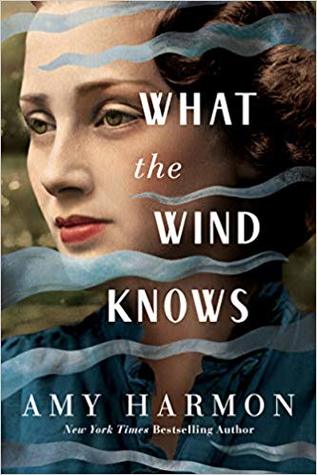
What the Wind Knows by Amy Harmon

This book follows a bit of the Outlander formula (woman pulled into not just another time, but another identity), and while I’m not necessarily drawn to time-travel as a literary device, this is just a really, really well-told story. A historical fiction set against the backdrop of the Irish Civil War, the characters are engrossing and the writing lyrical and lovely. “I loved churches the way I loved cemeteries and books. All three were markers of humanity, of time, of life.”

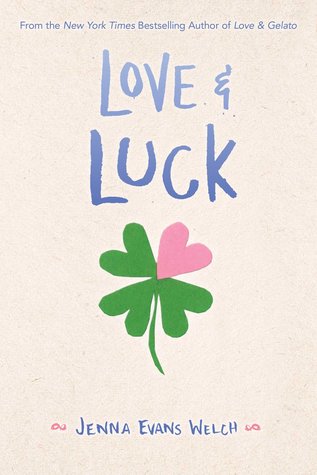
Love & Luck by Jenna Evans Welch

Another book that falls squarely into the stereotype-y category, but sometimes you just want to turn your brain off with some teen angst, predictable plot, and a classic road trip. This book takes a fun little romp through the touristy high points of Blarney Castle, The Burren, the Cliffs of Moher, and more. I wouldn’t call it the most accurate depiction of Ireland, but that doesn’t mean it can’t still be fun (and you don’t need to have read the first book in the series to enjoy this one).

Honorable mentions/further reading: Trinity by Leon Uris, Everything in This Country Must: A Novella and Two Stories by Colum McCann, Daughter of the Forest by Juliet Marillier, Brooklyn by Colm Tóibín, and Angela’s Ashes by Frank McCourt

Gardening

Seed Starting

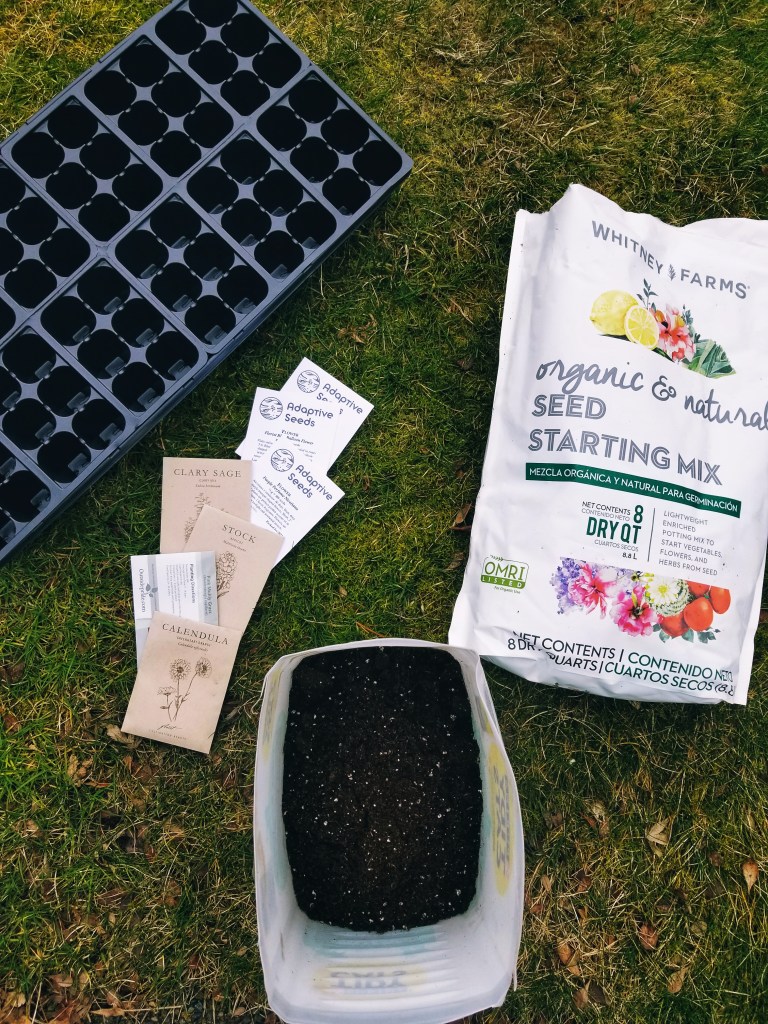
Whoo, boy. It’s late February in Western Washington and the long, dark Grey always feels the longest as it approaches its end. One of the gifts of gardening is that just as winter starts to feel unbearably long, we get to jump start the return of spring with one of my favorite activities: sowing seeds! Many (not all) seeds can be started indoors about 6 weeks before the last frost date in your area (here it’s around the first week of April), then transplanted outside once the danger of frost has passed. I think growing from seed can be intimidating for a lot of people, but if you want to give it a try here’s the list of what you’ll need to buy:

  1. Not a lot.

No, really. I think part of the intimidation comes from thinking there’s a long list of things you have to have to be successful, when the simple truth to gardening really boils down to: plants want to grow. Yes, we try our best to give them the things they need to be happiest and there are a myriad of somewhat complicated things to know and remember that can help plants grow in their ideal conditions and thrive, but you can really do a lot with very little. Many of us (all of us?) are not living in our ideal conditions right now and are still gettin’ through the days and surviving and plants can too 🙂 Greenhouses, cold frames, grow lights, heated seed mats, seed trays with domes, and seed-starting compost mixes are all things that can definitely help give plants a strong start, but if you’re just wanting to give it a go the investment bar can be very low here!

Moreover, I think there’s something really lovely about the investment the future that growing plants from seed gives you. We will need to be around 2 weeks from now and 2 months from now to take care of these plants. We plant something now knowing that we will not reap the fruits or the flowers until later this year. Some of the seeds I’m sowing this week are biennials, which means they won’t even flower until the spring/summer of 2022! I find long-term projects like this to be very grounding in the way that it shifts your perspective from the daily grind to the scope of months and seasons. In these COVID days indoors, time often seems to slip by unmarked and unmetered, and plugging back into the seasons and the rhythms of the Earth helps shake off some of that Groundhog Day-ness.

So, now that we’re ready to plant, let’s amend that initial list of needs slightly:

  • Seeds (well duh). You don’t have to buy them – saving seed from grocery store produce works great and bonus, you’ll be growing things you already like to eat.
  • Containers of some kind. Egg cartons work great for starting seed, as do toilet paper tubes on their ends in a box of some kind. Yogurt cups, La Croix cans with the tops cut off, aluminum foil shaped into cups – we’re surrounded by packaging just waiting to be re-used. Important: if you’re re-using something like an egg carton or a yogurt cup, just make sure to poke a drainage hole or two in the bottom. I use these plastic seed trays, which I got from ACE Hardware for like $8.
  • Soil. A seed starting mix from a nursery or a home improvement store is good, as they’re designed to be nice and light and fluffy so the lil baby roots have an easier time establishing themselves. Try to find one without peat moss if you can (although I couldn’t this year!) – peat comes from bogs that take thousands of years to develop and these unique ecosystems are being harvested and destroyed at unsustainable rates (okay getting off my peat soapbox now). If you only have regular potting soil, that’s fine! If you only have some dirt from your backyard, give it a go!
  • A warm place in your living space (65 degrees F or higher) that gets sun for most of the day (like a south-facing windowsill). If you don’t have this, you can still start seeds with a grow light!

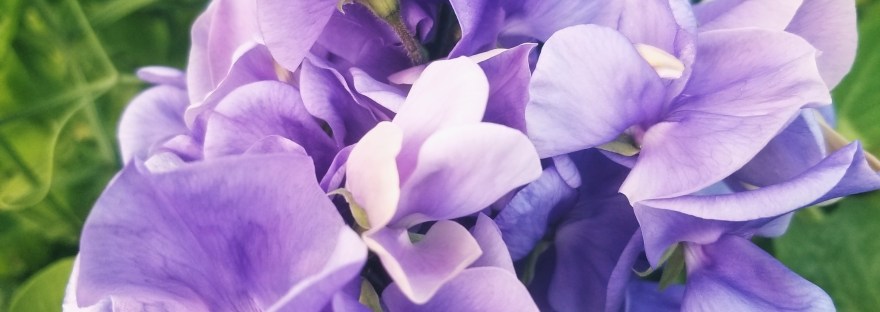
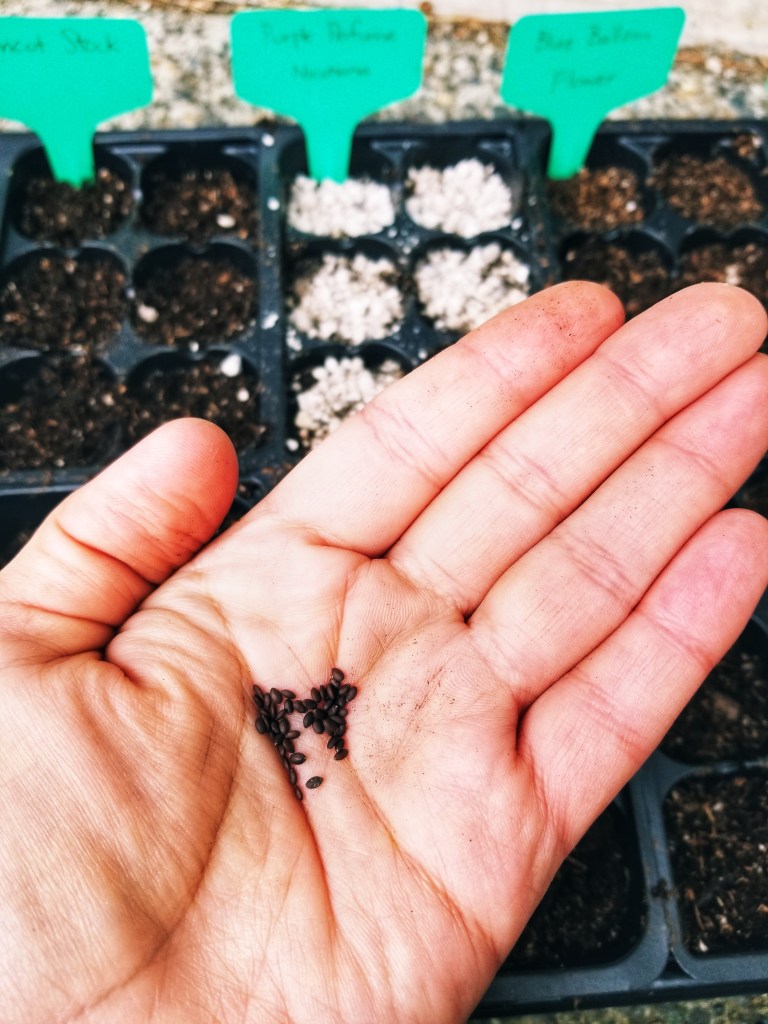
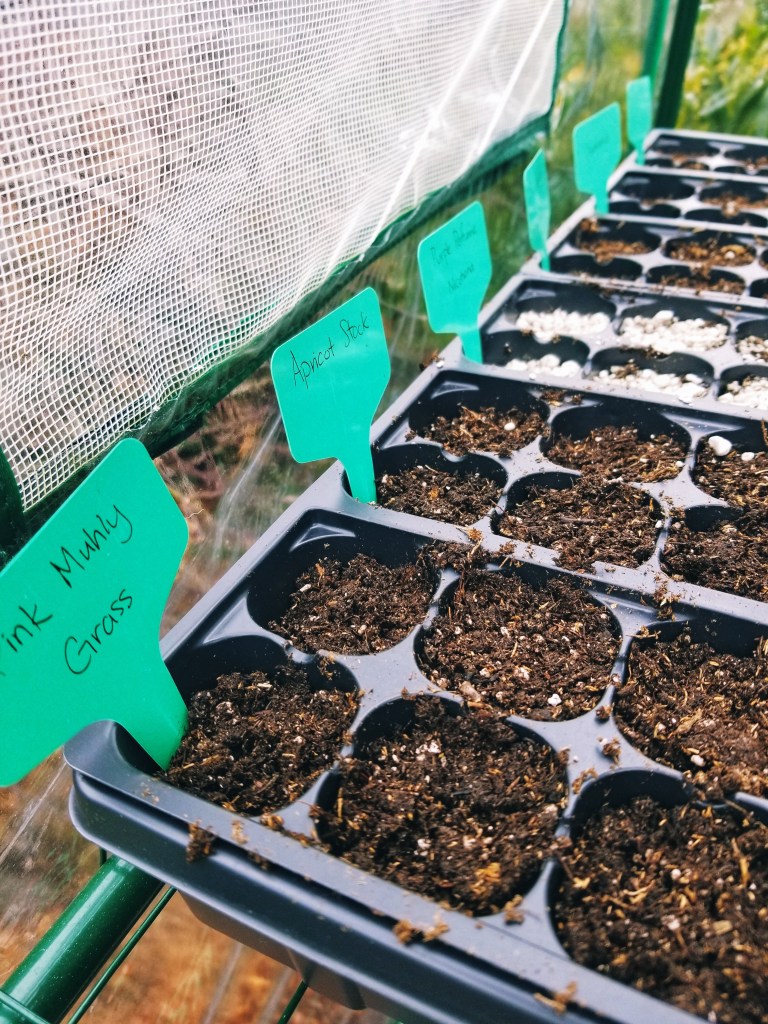
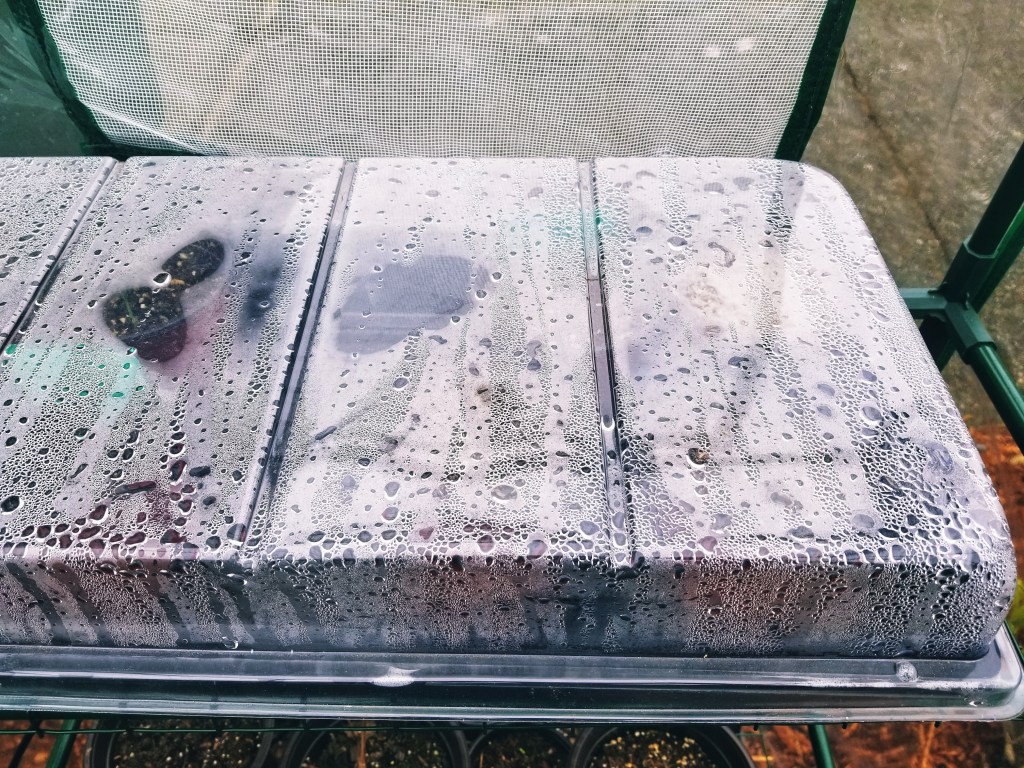
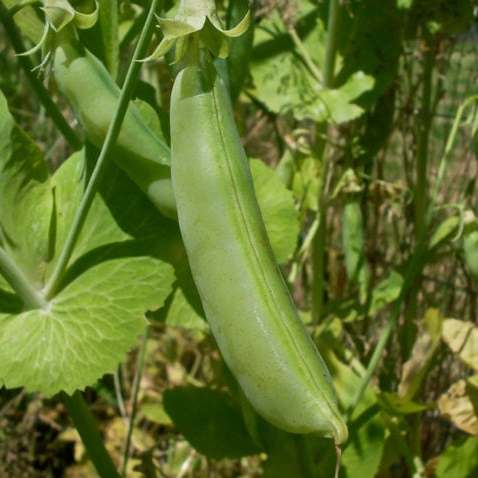
That’s it! Now, I can’t have seedlings in my house, as I discovered last year that two feline creatures who shall remain nameless (*cough* Violet and Ruby) have a taste for tiny tomato plants and will eat half of them if given the opportunity. So, this year I’m starting seed outside in my mini-greenhouse, with heated seed mats (as an unheated greenhouse would be too cold otherwise). From my experimentation thus far with sowing sweet peas, this has seemed to work just fine, albeit with a bit slower germination (it took 15 days for the first shoots to emerge from the soil). Just find what works for you and your situation – I find gardening is much more fun/less frustrating anyway if you think of it as a lot of experimentation with some expected failures along the way.

Now that we’ve got our stuff, let’s get down to planting!

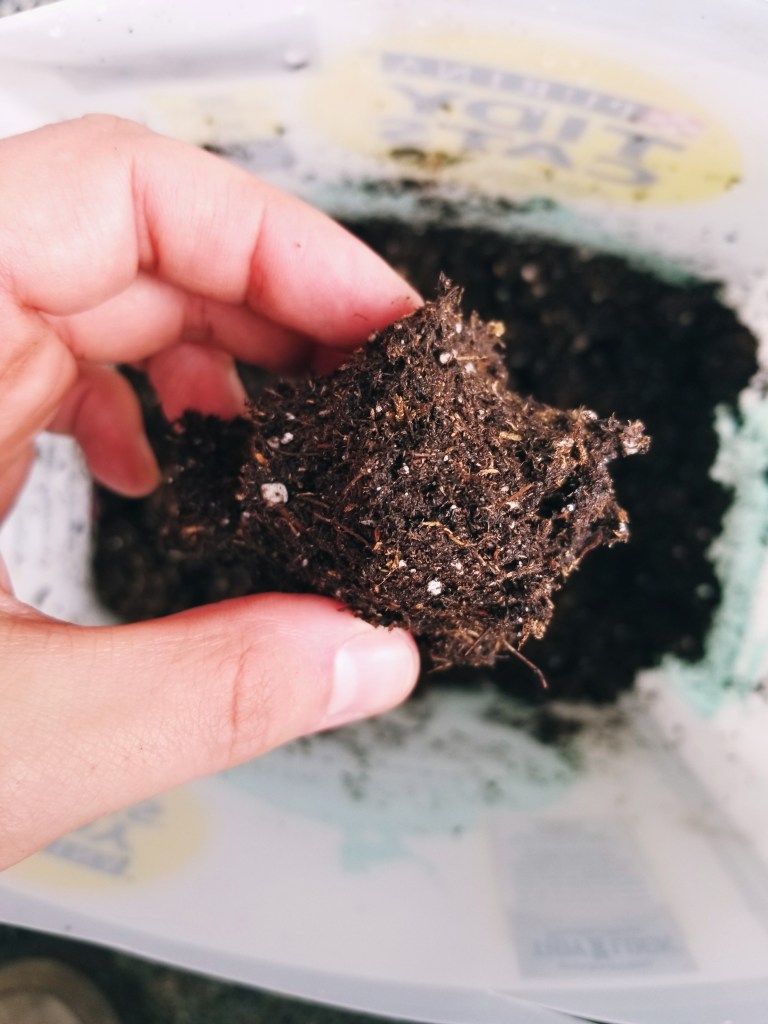
  • Get yourself a bucket or other container, and mix together your soil with some water before planting. Some seeds (especially flower seeds) can be very small, and it’s easier to plant in soil that’s already wet rather than watering after and risking washing your little baby seeds away. You’re looking for a consistency that holds together when squeezed, but isn’t so wet that there’s water dripping out.
  • Plant your seeds! The packet should tell you the depth at which to plant, or if you’re using seed you’ve saved from produce then just Google it.
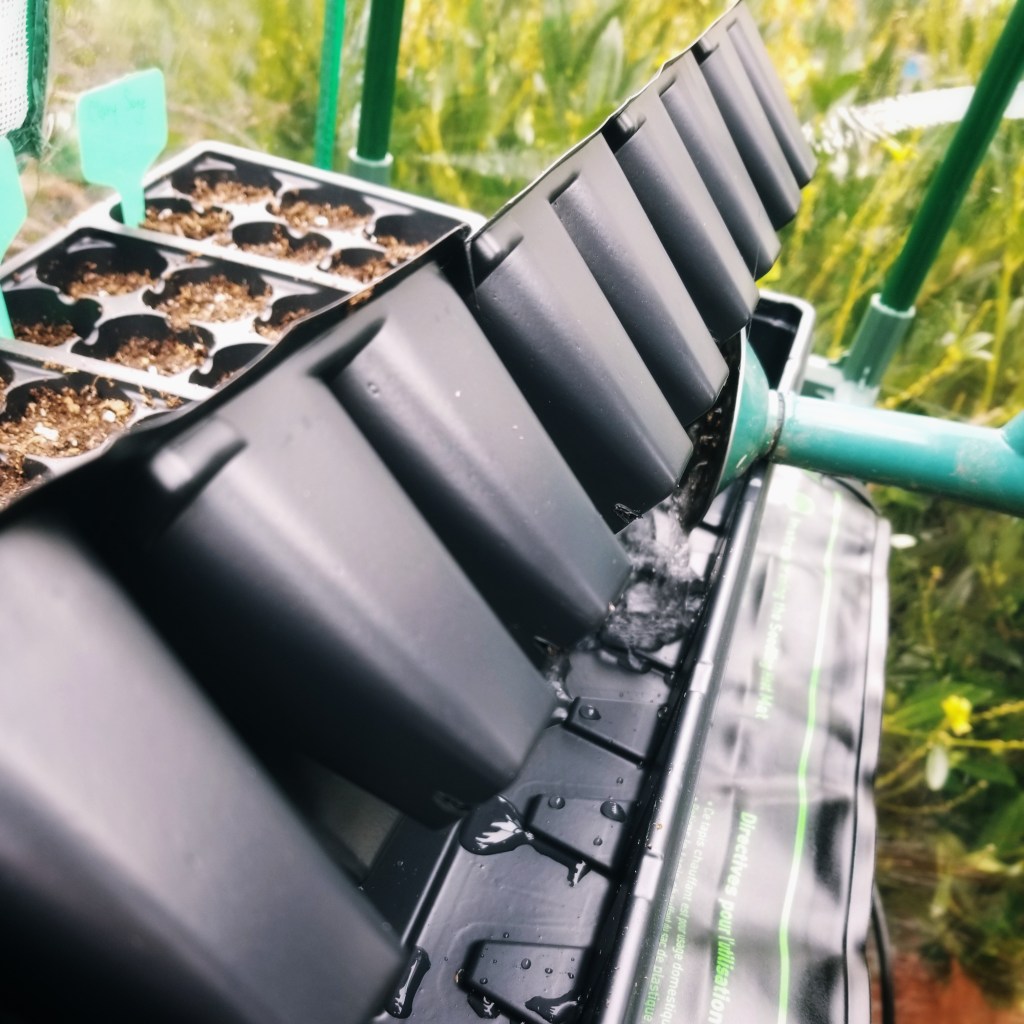
  • If you didn’t pre-wet your soil, water your seeds. Another great way to do this is to set your container(s) in a tray, and water from the bottom. The soil will soak up the water through your drainage holes at the bottom (here’s your second reminder to make sure your containers have drainage holes).
  • Cover with plastic. This isn’t strictly necessary, but makes things much easier on yourself as it keeps the moisture in (meaning you don’t need to remember to water) and also keeps the temperature up – it’s a mini greenhouse! Plastic wrap works, as does a large clear plastic bag or the plastic domes seed trays come with. The best part is since you adequately watered your seeds at the beginning, you don’t need to remove the plastic to water until you see sprouts emerge. No seriously, don’t touch that plastic until you see green.
  • Once the seeds have sprouted, remove the plastic and water regularly (just enough to keep damp, but not drenched).
Why Are We Starting Seeds Indoors Anyway?

You don’t have to! Almost anything can of course be sown directly outside at the appropriate time (usually after all danger of frost has passed), but there are lots of good reasons to start seed indoors and then transplant outside later:

  • Lengthening the growing season. For example, sweet peas are a beautiful spring flower but they hate when it gets too hot. If you waited to sow outside until it was warm enough for the plants to survive, you could still grow a beautiful plant but you wouldn’t have nearly as long to enjoy the flowers before the weather turns too hot and the entire plant goes to seed. By giving them a head start indoors well before the last frost you get that much longer to enjoy them.
  • Critters. I have struggled to direct sow anything outside, because the slugs and rabbits will get to them as soon as they emerge from the soil – there is nothing tastier than a nice tender baby plant. Transplanting a larger, more robust plant started inside means it’s big enough and healthy enough to take some nibbles on the lower leaves without being completely destroyed.
  • More variety in what you can grow! Hot-weather plants like tomatoes, peppers, and eggplants have a long growing season and therefore need all the help they can get in cooler regions like the Pacific Northwest, and don’t do great when direct sowing outside. Starting them inside early means having a large, robust plant to transplant out in late spring in order to fully maximize the warm summer days we do get.

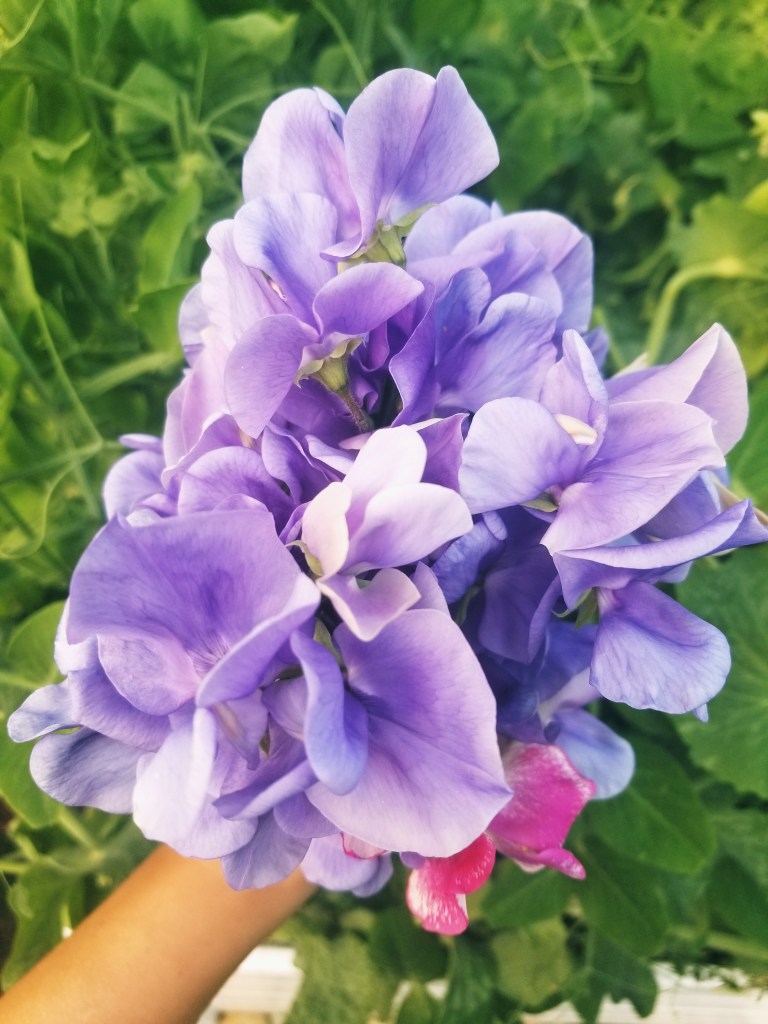
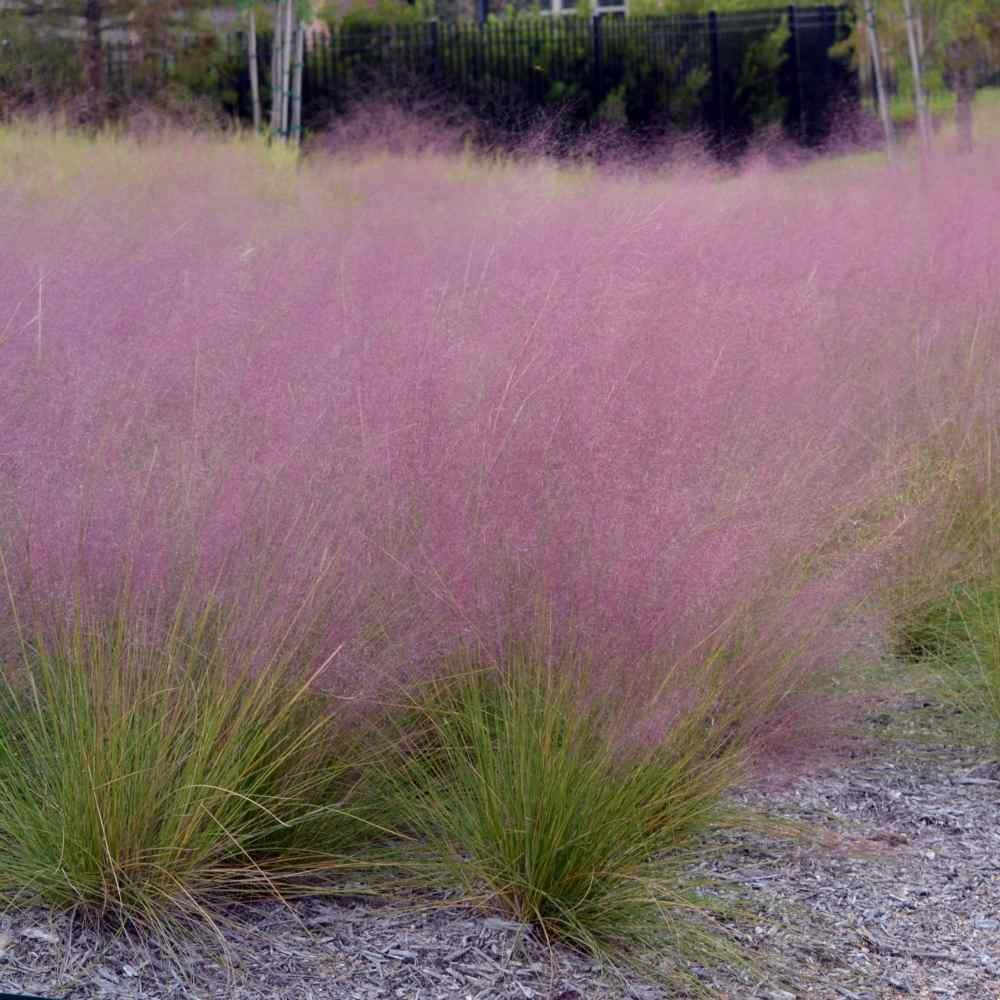
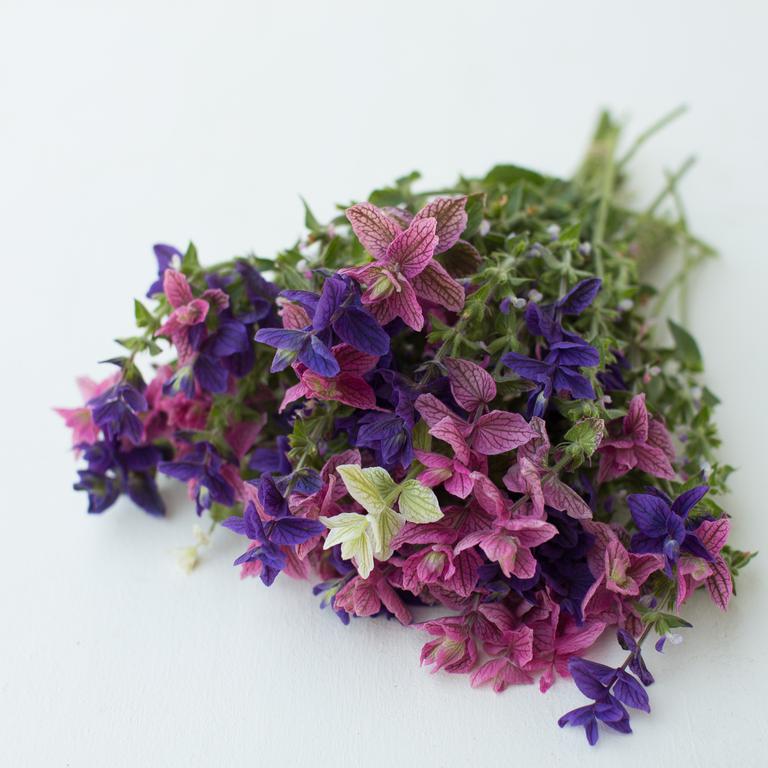
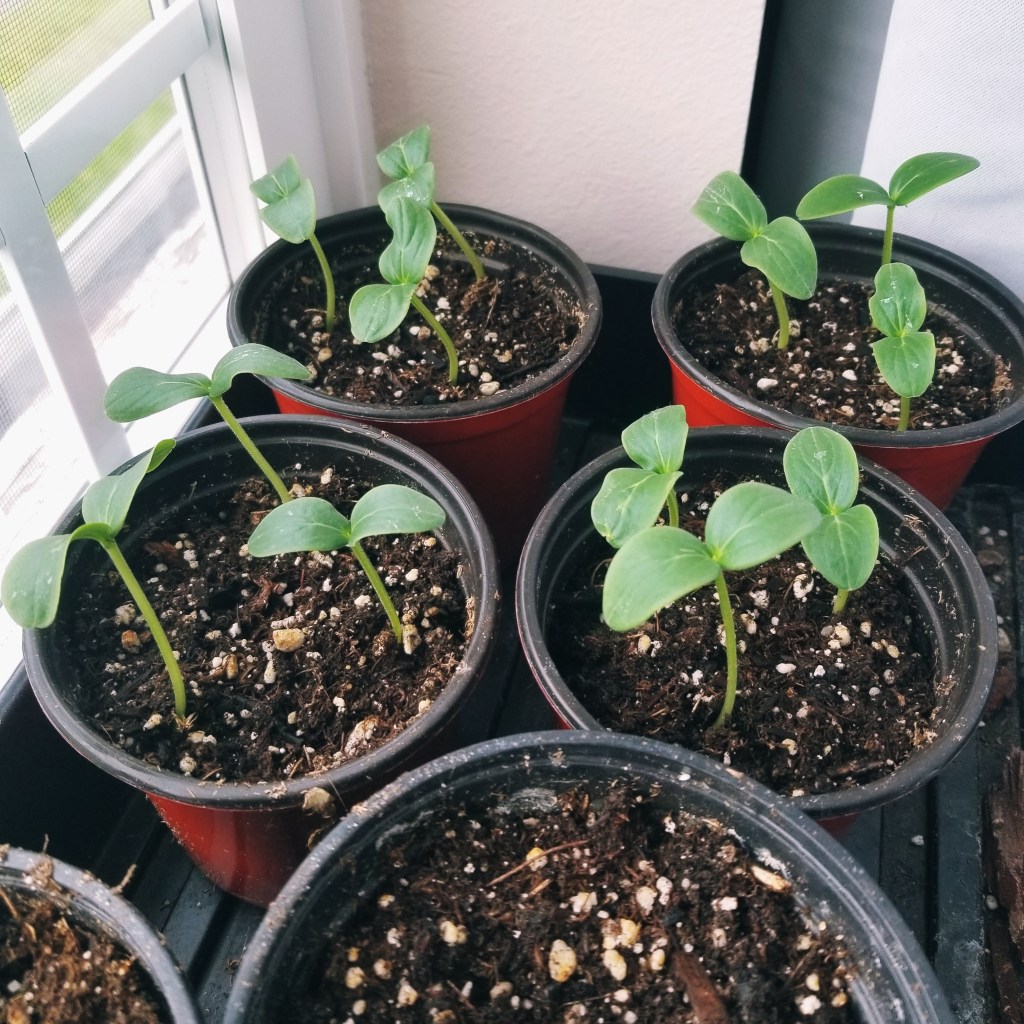
Here’s what I’m sowing this week – I’d love to hear what other people are growing as well! Happy planting and happy almost Spring!

  1. Pink Muhly Grass from Outside Pride
  2. Floret’s Clary Sage
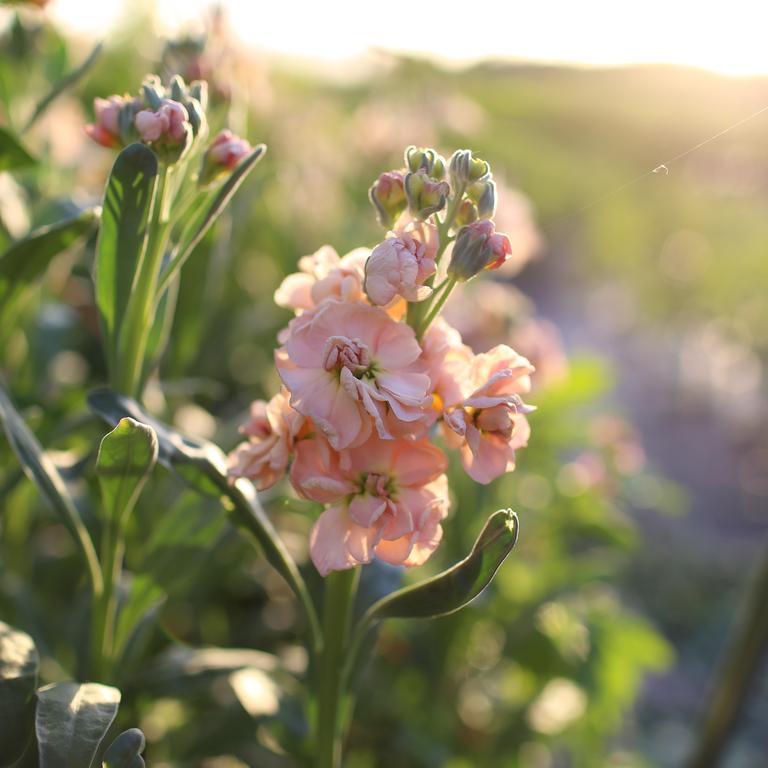
  3. Floret’s Apricot Stock
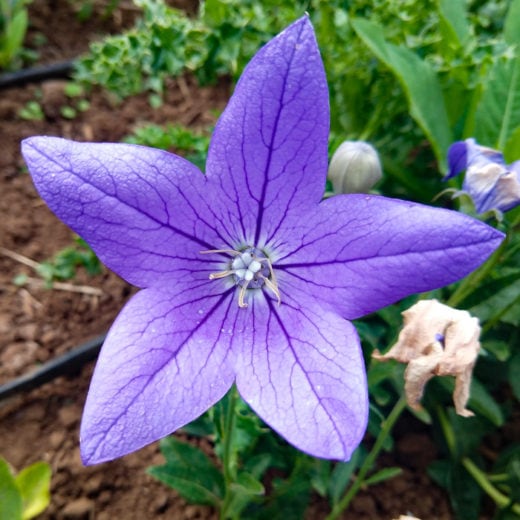
  4. Balloon Flower from Adaptive Seed
  5. Sugar Snap Pea ‘Sugaree’ from Adaptive Seed
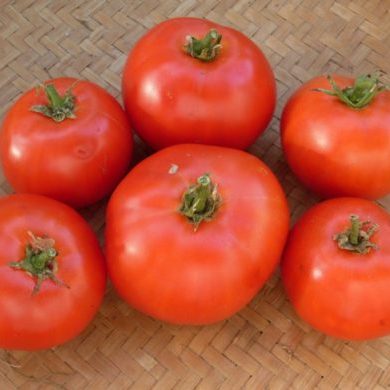
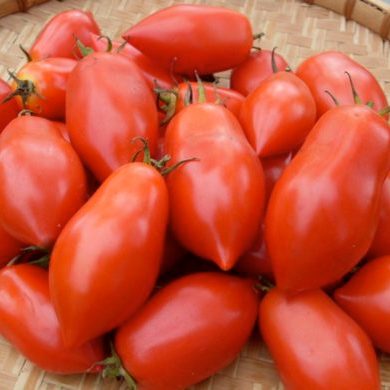
  6. ‘Ropreco’ Tomato from Adaptive Seed
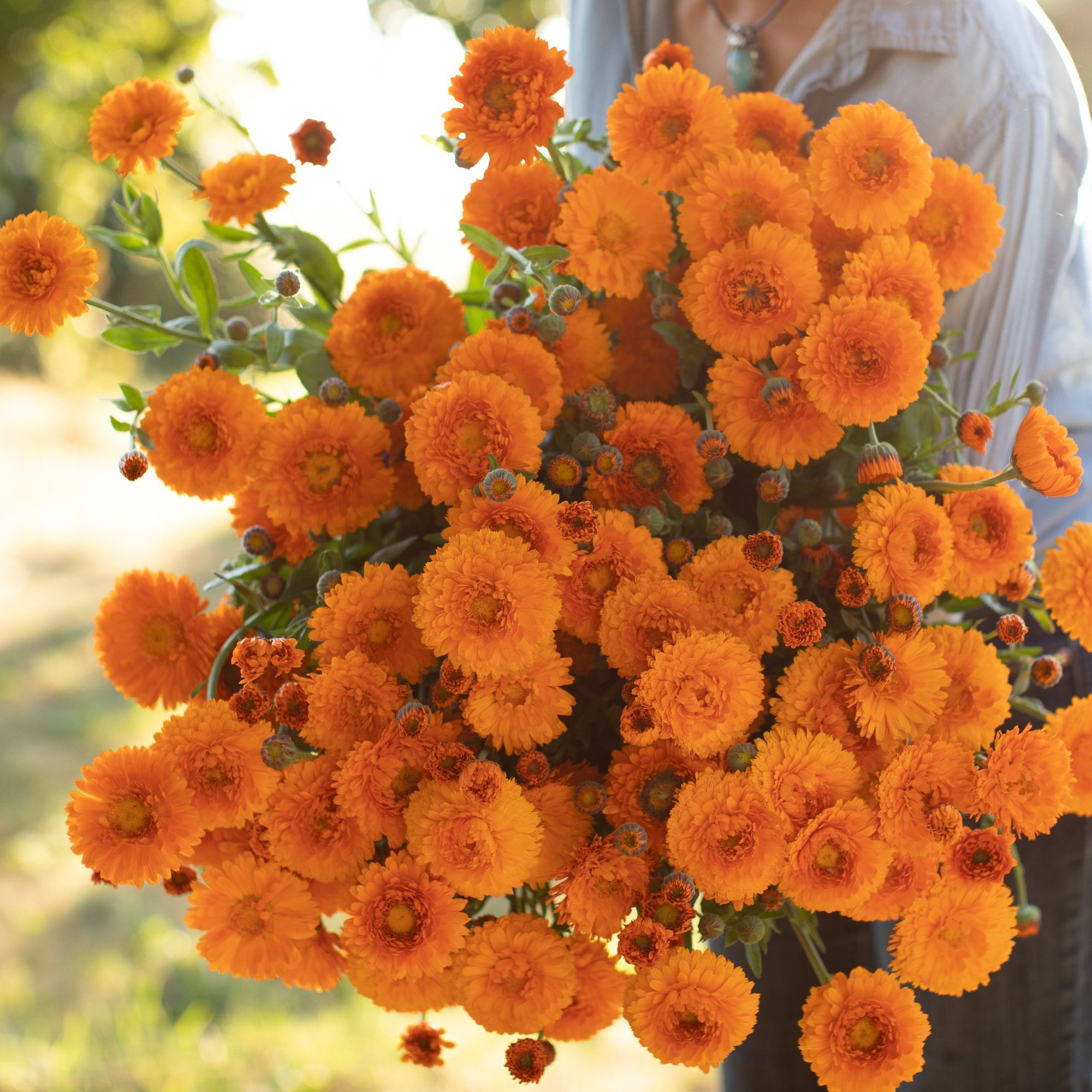
  7. Floret’s Calendula ‘Greenheart Orange’
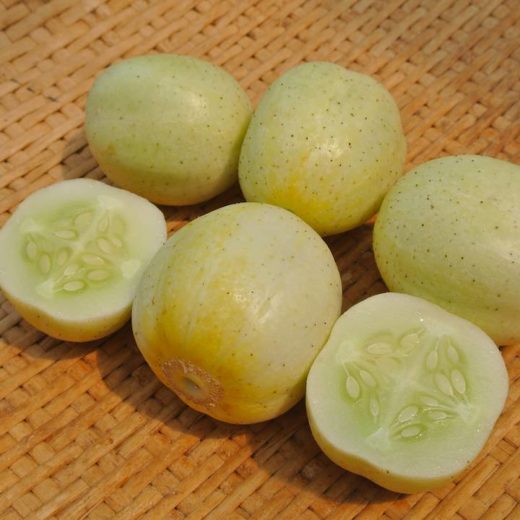
  8. Cucumber ‘True Lemon’ from Adaptive Seed
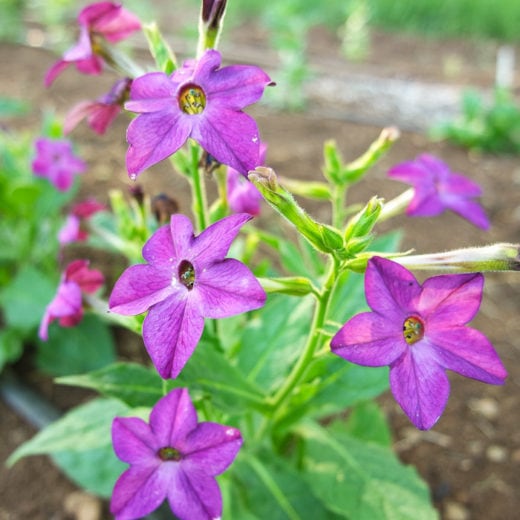
  9. Nicotiana ‘Purple Perfume’ from Adaptive Seed
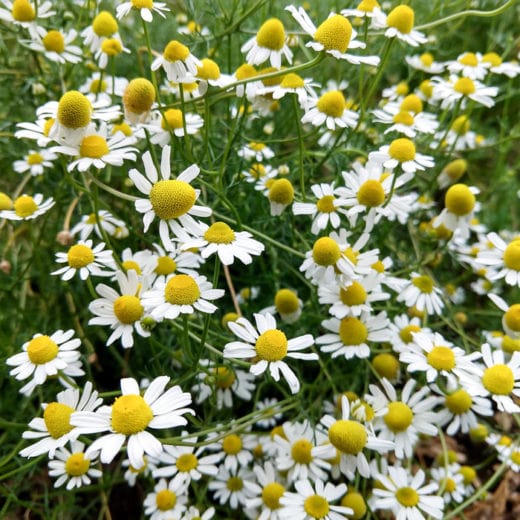
  10. Chamomile ‘Bodegold’ from Adaptive Seed
  11. Tomato ‘Fireworks’ from Adaptive Seed
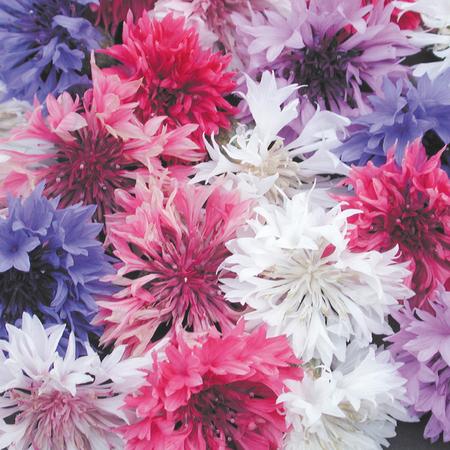
  12. Bachelor’s Button Mix from Territorial Seed

People often ask me what one thing I would recommend to restore relationship between land and people. My answer is almost always, “Plant a garden.” It’s good for the health of the earth and it’s good for the health of people. A garden is a nursery for nurturing connection, the soil for cultivation of practical reverence. And its power goes far beyond the garden gate—once you develop a relationship with a little patch of earth, it becomes a seed itself. Something essential happens in a vegetable garden. It’s a place where if you can’t say “I love you” out loud, you can say it in seeds. And the land will reciprocate, in beans.

Robin Wall Kimmerer, Braiding Sweetgrass: Indigenous Wisdom, Scientific Knowledge and the Teachings of Plants
Witch Shit

Imbolc

Plan A Garden
Tub Time
Recipes
Decor
Crafts
Music
Books

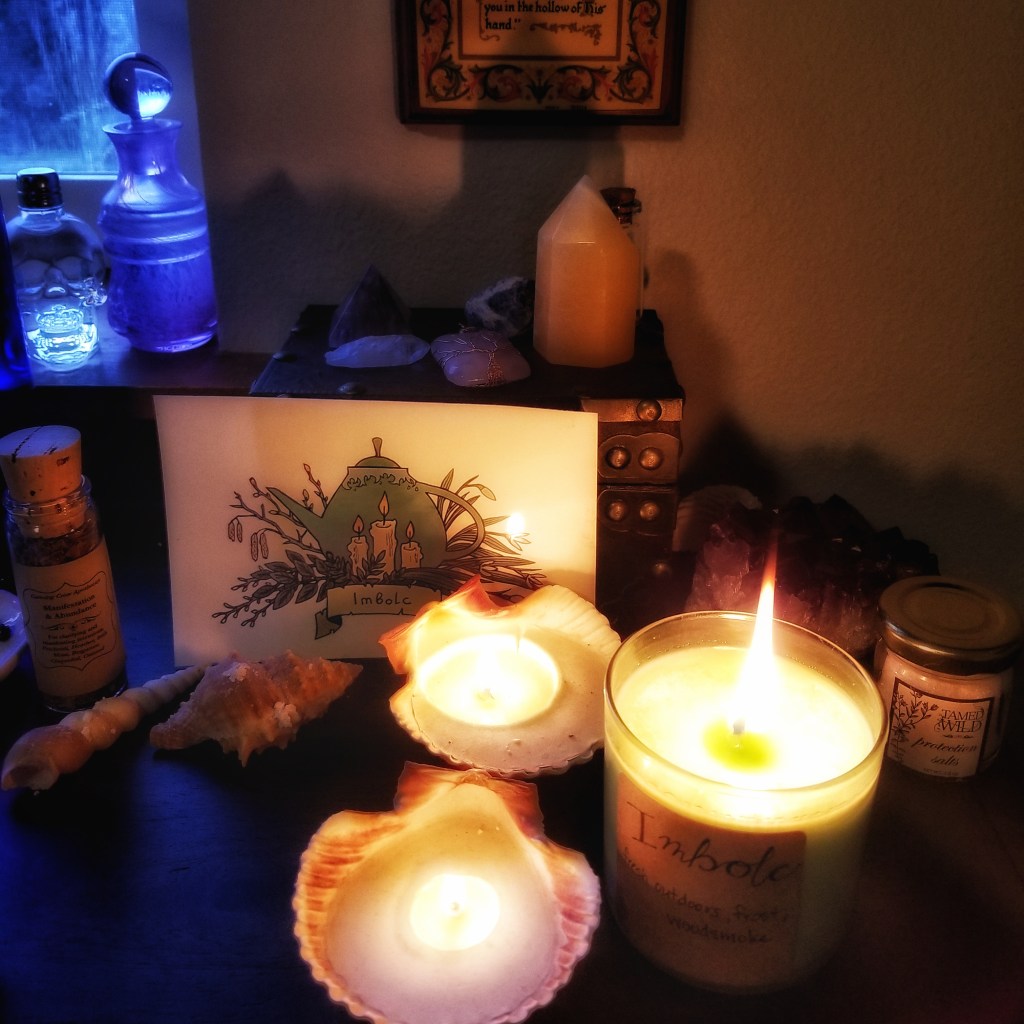
Welcome to the first Sabbat of the New Year! Here in Western Washington, the days are often cool, grey, and damp, and as I write this looking out my window, the steely grey waters of Puget Sound blend seamlessly into a pale, mid-morning sky releasing a gentle rainfall. While I always find there is a unique pleasure to be gained in the hibernation, introspection, and coziness that this time of year affords, Imbolc offers a welcome anticipation towards the return of spring. My goal for 2021 is to cultivate a sense of enchantment in everyday living, and I think one of the easiest and best ways to do this is to more fully embrace seasonality. Particularly for those of us living urban lives, far removed from the seasonality which used to dominate our agrarian ancestors’ livelihoods, marking our movement through the year and all the changes it brings is an easy (and fun!) way to engage in slow, enchanted living and bring us all closer to the natural world. I particularly resonate with Sharon Blackie’s description of enchantment: 

Because enchantment, by my definition, has nothing to do with fantasy, or escapism, or magical thinking: it is founded on a vivid sense of belongingness to a rich and many-layered world; a profound and whole-hearted participation in the adventure of life. The enchanted life presented here is one which is intuitive, embraces wonder and fully engages the creative imagination – but it is also deeply embodied, ecological, grounded in place and community. It flourishes on work that has heart and meaning; it respects the instinctive knowledge and playfulness of children. It understands the myths we live by; thrives on poetry, song and dance. It loves the folkloric, the handcrafted, the practice of traditional skills. It respects wild things, recognises the wisdom of the crow, seeks out the medicine of plants. It rummages and roots on the wild edges, but comes home to an enchanted home and garden. It is engaged with the small, the local, the ethical; enchanted living is slow living.

The Enchanted Life, Sharon Blackie

So What is Imbolc?

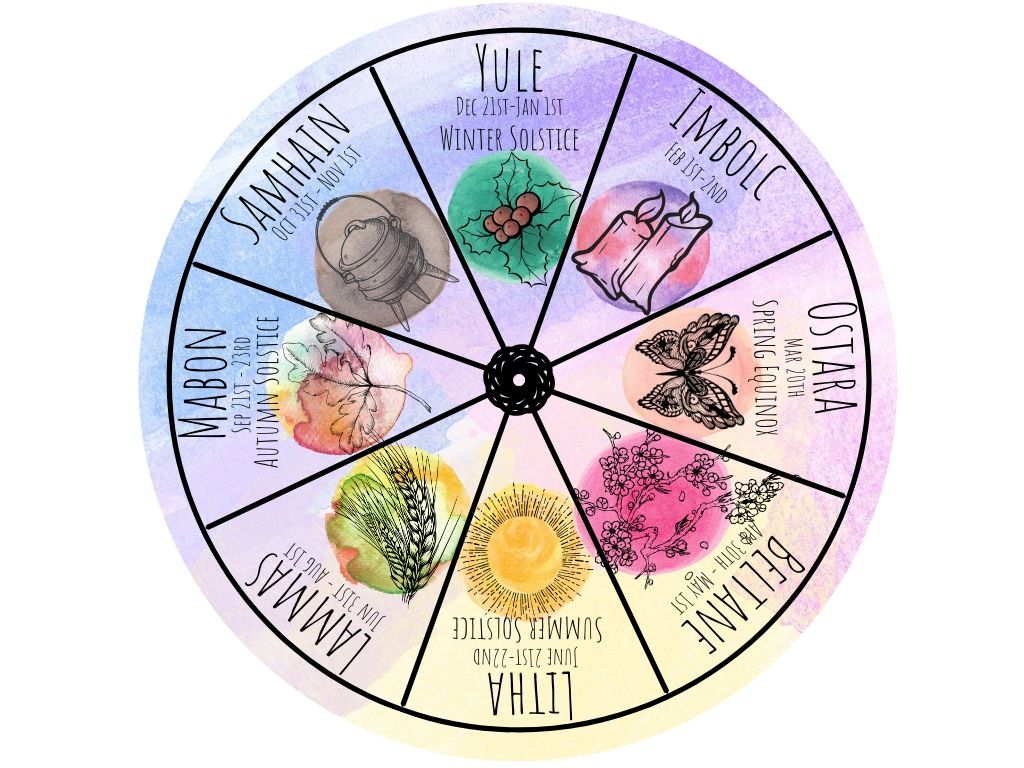
Imbolc is one of the eight Sabbats in the Wheel of the Year – basically, a way for Celtic peoples to mark the changing seasons and important agricultural times of year (lambing, harvesting, the equinoxes and solstices, etc).

Image courtesy of wiccanow.com

Imbolc is usually celebrated February 1st and is when those of us in the Northern Hemisphere (particularly at higher latitudes!) start to really notice the lengthening days and the promise of warmer days to come. The Celtic peoples marked this as the beginning of lambing season and was also a day to worship/commemorate the Celtic goddess Brigid, and her domains of the hearth, poetry, metalworking, fertility, and change/transformation (among others). Even though spring still feels a long ways off at the beginning of February, this time of year resonates more with me than the New Year in terms of renewal, re-energizing, and beginning to wake from the slumber of winter and eagerly anticipate the new growth of spring (both in the natural world and internally!). If a whole year was a day, Imbolc would be dawn. It is a threshold – between winter and spring, between dark and light, between rest and renewal, and is the perfect time of year for reflection, evaluation, getting rid of things that no longer serve you, and embarking on new ventures.

Imbolc is a time when new plans are made and new ideas are “planted.” It is also traditionally a time to examine the people, objects, and philosophies in our lives. It is an opportunity to discard the things we don’t need or that are holding us back. It is when we make new plans and improve old ones. In a sense, the Imbolc part of the Wheel of the Year is a winter cocoon. Upon emerging, we may be greatly changed indeed from the beings who celebrated Yule only a few weeks before.

Imbolc: Rituals, Recipes & Lore for Brigid’s Day, Carl F. Neal

I realized last year, especially through the tumult of 2020, that seasons and holidays were sneaking up on me and I always felt unprepared to find ways to mark, and engage with, the passage of time (it’s quite possible it’s still March of 2020, I’m not sure, has anyone checked lately?). These Sabbat posts are intended as a quick, easy reference (for me and for you!) for ways to celebrate seasonality in a variety of areas, in whatever way fits best into your life. I am very much a fan of easy, low-investment ways to celebrate and am NOT a fan of feeling like you can’t properly mark a time of year because you don’t have the right herbs/ingredients/candle colors/whatever on hand that a book or blog told you to have. I’m a firm believer that the most important thing to have is intention, and whatever tools you might have on hand to channel that intention are a-ok. Lazy witchcraft at its finest.

So, read on for the best ways to revel in this liminal time of year!

Plan A Garden

Imbolc is the perfect time of year to think about things it might be fun to grow this spring and summer. Here in Western Washington, our last frost date is April 6th, and many seeds can be sown indoors about 6 weeks before the last frost, which is around the last week of February. That means now is the perfect time to think about what might be fun to grow, and to order seeds. I particularly like Adaptive Seeds, who breed varieties of organic fruit, vegetables, and flowers either native to the Pacific Northwest or that will perform well in our relatively short growing season. 

No outside space? No problem! I had a small apartment balcony for years and had lots of fun trying to grow things in containers. No balcony? A sunny windowsill works too! Buying plant starts from the nursery is a great way to ease into gardening, but I also highly recommend trying to grow from seed – it’s so satisfying and quite frankly incredible to watch an entire plant emerge from a tiny seed and to tend to it along the way. And if ordering seed seems like too much of an investment, saving some seed from your next trip to the store works just fine too. Bell peppers, strawberries, jalapenos, cucumbers, whatever you’ve got on hand (I’ll have a post later in February with some seed sowing tips). I can’t think of a better way to mark the threshold between winter and spring than to be cozy on the couch in the darkness of a winter evening, with candles lit and cups of tea nearby, dreaming and planning for a future garden.

Tub Time

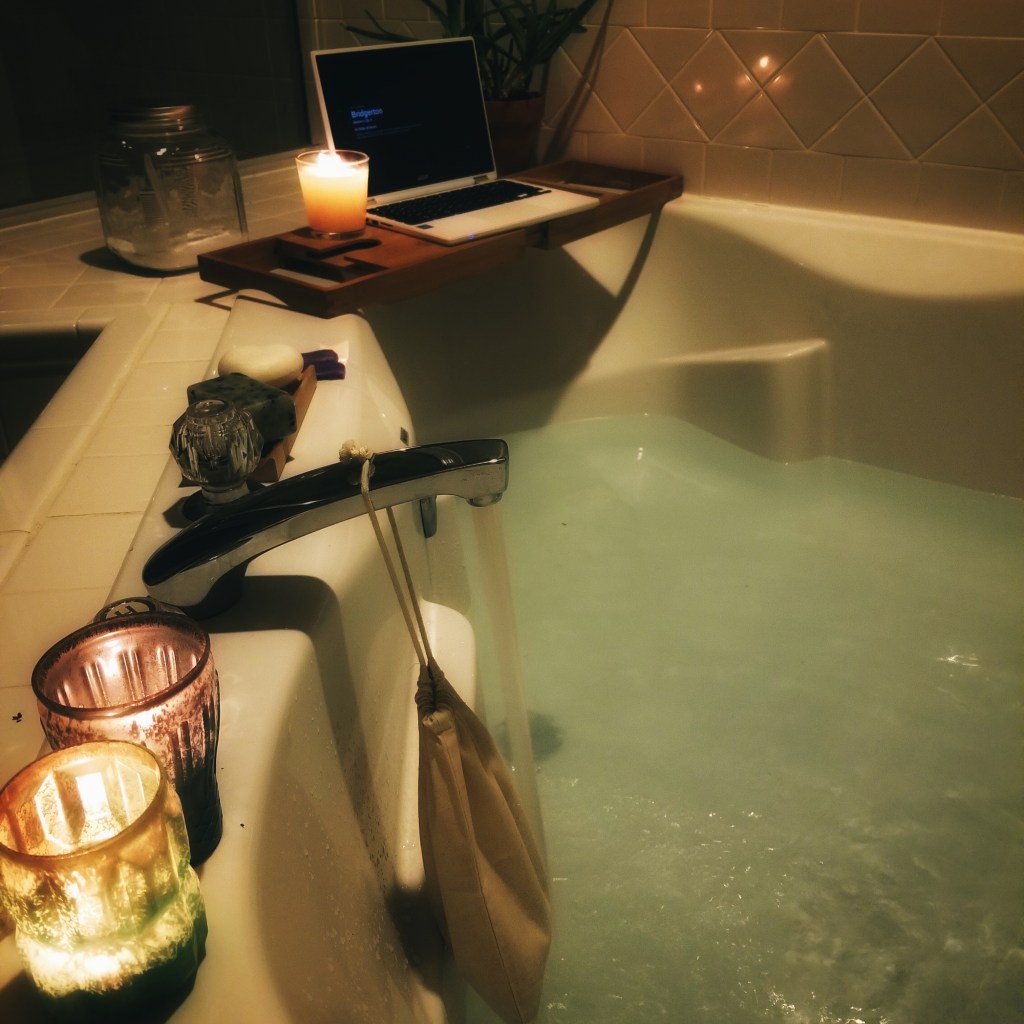
Baths are always a good idea, and even more so on long winter nights. Below are a few things to add to the tub with associations to Imbolc. Any of the loose ingredients you can toss in a cloth bag tied to the faucet (I have this muslin one from Etsy) so they don’t make a mess (old tights work too).

  • Oats – associated with Brigid and great for your skin. Grind in a food processor or blender until they’re as fine a powder as you can get.
  • Milk – if there’s one ingredient associated with Imbolc it’s dairy, and milk is great for skin exfoliation, inflammation, and moisturizing. Use around 1-2 cups for a full tub (either liquid or powdered). Even if you’re dairy-free, coconut, oat, or almond milks have similar benefits for skin!
  • Cinnamon – a warming spice perfect to celebrate both the return of longer days and hearth and flame associated with Brigid and this time of year. Either mix some ground cinnamon in with bath salts/sea salt, or use a few cinnamon sticks.
  • Dr. Teal’s Epsom Salt with Eucalyptus & Spearmint – neither of these plants are particularly associated with Imbolc, but their sharp, fresh aroma makes me think of new, bright green spring growth and helps me “wake up” a bit from the hibernation of winter (or just the hibernation of spending the whole evening on the couch).


No bathtub/hate baths a la Schmidt from New Girl? Cool, make shower melts instead. The basic recipe is:

  • 2 parts baking soda
  • 1 part citric acid (this is optional, if you want them to fizz. If you don’t have any, no worries)
  • Water
  • Essential oils (if you’re using a cup of baking soda, I would say about 20 drops)

That’s it! Use just enough water to get it to a wet sand consistency (if using citric acid, use a spray bottle to add the water as adding too much water at once will start the fizzing reaction), pack ’em into muffin tins with liners, and let them dry over night. Place on the floor of the shower, ideally out of direct water.

Recipes

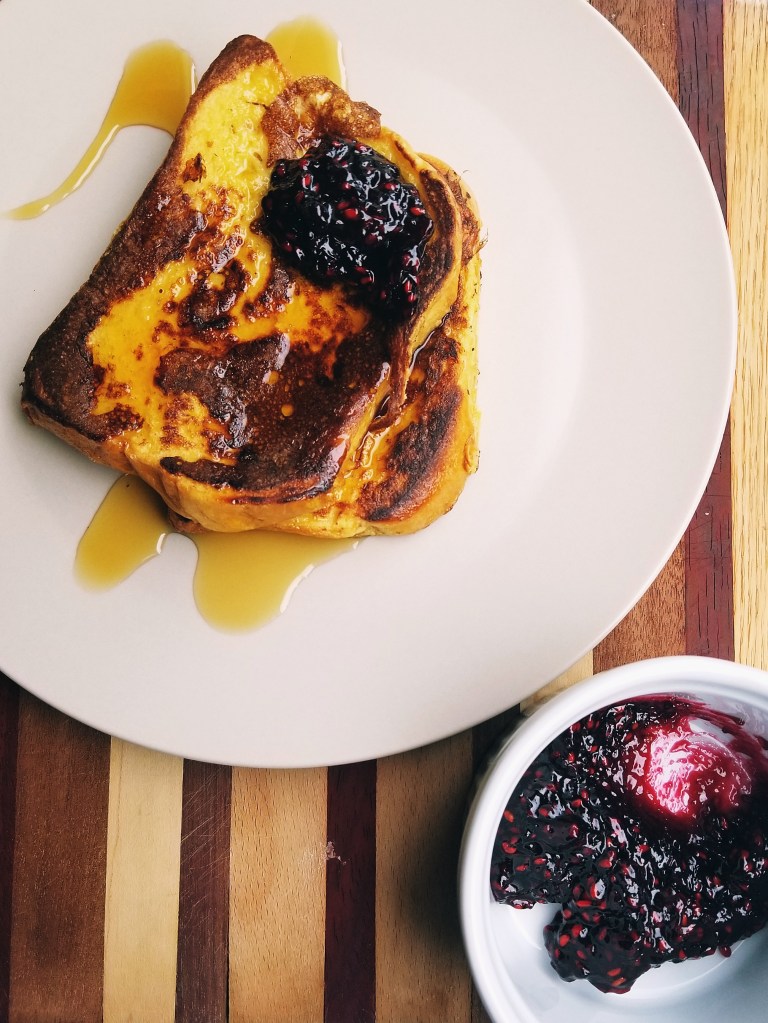
This is the perfect time of year to make something cozy, hearty, and nourishing for winter (like bread), but with ingredients associated with Imbolc and spring (like eggs, milk, and butter). Enter: brioche. I like this recipe if you’re the baking type, or if you’re not then just buy a loaf! And, because I am a breakfast aficionado, one of the best uses of day-old brioche (or challah) is french toast. Blackberries are traditionally associated with Brigid so for 10 extra points you can make or buy blackberry jam for your french toast, but I won’t tell if you just use whatever’s in your fridge.

PS – this jam turned out SO sticky. Like comically sticky. I think I over-reduced it and now I’m going to be doing dishes for a full hour (still delicious tho). Sometimes buying things from people who do it better than you is the way to go, folks.

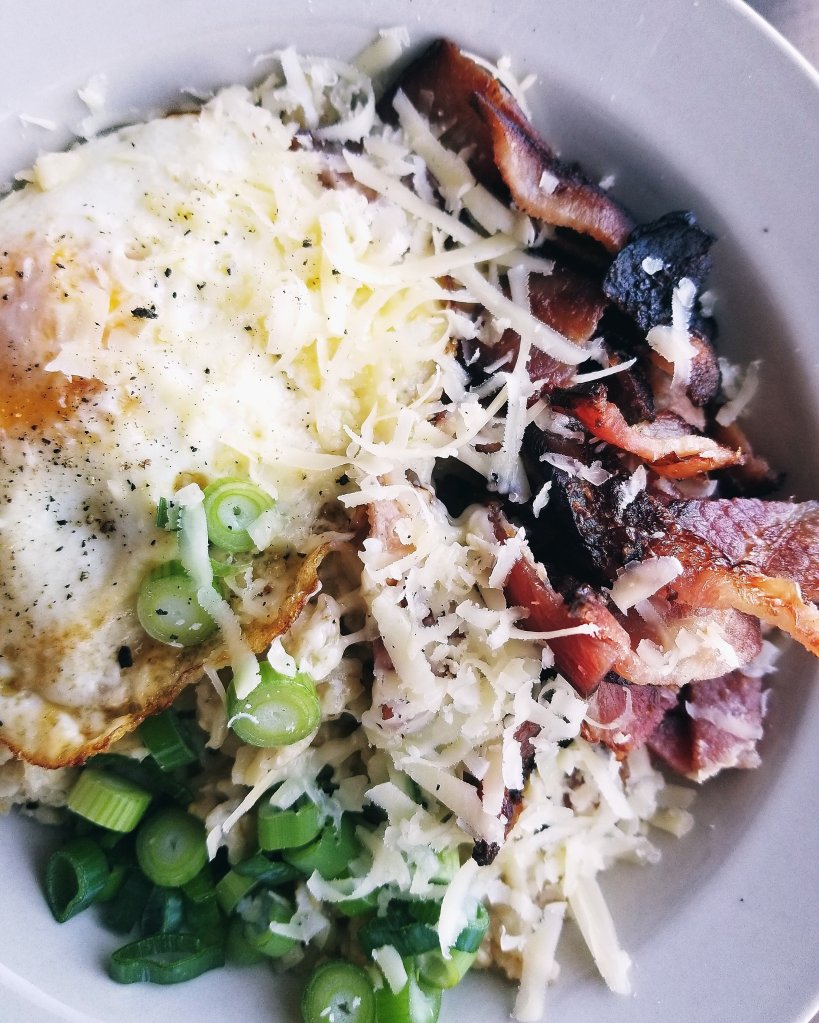
For something savory (and again, because Imbolc among other things celebrates the beginning of lambing and hence the return of fresh dairy after a long winter), you can’t go wrong with cheese. Use Imbolc as license to go to town in whatever way you enjoy cheese best (charcuterie board! mac and cheese! a whole log of goat cheese with a baguette!). Yes, we’re spring cleaning our minds and our houses and our bodies and sometimes that includes healthy eating goals, but indulgence doth make the spring cleaning sweeter. Or something. I combined cheese with another association from this time of year, oats, and made savory oatmeal (cannot recommend enough!).

Decor

Candles candles candles. This time of year is all about the return of the light with longer days, and fire is the perfect way to symbolize this. If you have a fireplace or an outdoor fire pit, have a fire on Imbolc Eve (Jan 31). If you live somewhere candles aren’t allowed, turn on every LED candle, lamp, or decorative light you have.

The best colors for this time of year are light green (symbolizing fresh spring growth), white (symbolizing purification, cleansing, and fresh starts), and yellow (symbolizing joy, energy, and the return of the sun). I’ve found the easiest and cheapest way to bring specific colors into your living space is either with candles or flowers (fresh or fake).

While not strictly decor-related, spring cleaning is a cliche for a reason. Fresh growth and fresh beginnings means fresh living spaces too, so clean and rearrange what feels stale around you, smudge, open windows (even if it’s only for 30 seconds), and make room for new energies.

Crafts

Brigid’s Cross is the traditional craft to make this time of year, and you can find instructions on how to make one here. You’ll need several lengths of something bendy, like rushes (traditional), grasses, or even straws or pipe cleaners. I, however, have none of those things (who has rushes??), but fortunately I do have candle-making supplies which is another perfect craft for this time of year.

If you’re not a DIY kind of person, just buy yourself a nice candle (you know the kind I’m talking about – the ‘$40 for a hunk of wax and a nice container??’ kind) and revel in the joys of designer scents and the 15-second hit of online shopping dopamine.

Music

Wherever you are, let this collection of music take you to the country. You are walking among the frost-covered hills as dawn breaks over the horizon. You breathe in the sharp, cold air as the first pale rays of sunshine gently warm your face. Spring is coming.

Books

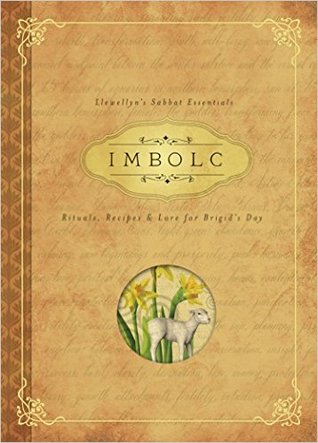
Imbolc: Rituals, Recipes & Lore for Brigid’s Day by Carl F. Neal

These books from Llewellyn’s Sabbat Essentials series are great quick reference guides. I’ve found some of them to be more practical/useful than others, but it’s a good overview of history, correspondences, and a few crafts/recipes/spells. Skim ’em, take what works for you from them, leave the rest.

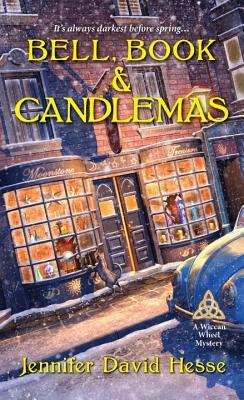
Bell, Book & Candlemas by Jennifer David Hesse

I will forever love cozy mysteries for their ability to fulfill a niche interest like no other (see: series titles like “A Seaside Knitters Mystery” or “Amish Quilt Shop Mystery”), and so of course there happens to be one set at Imbolc too (Candlemas being another name for Imbolc). This falls into the category of most cozies I’ve read: fun, easy, somewhat forgettable, seasonally relevant, and a delightful palate cleanser.

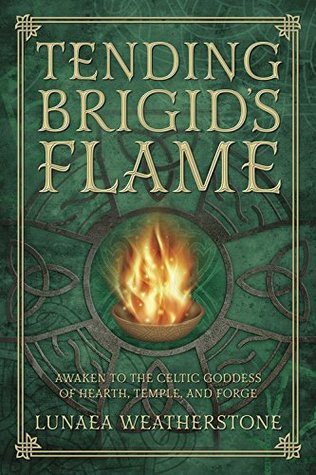
Tending Brigid’s Flame by Lunaea Weatherstone

If the religious/deity aspects of the holiday are more your shtick, then this is a great resource. I didn’t glean much from it that was personally applicable, but Brigid has a rich and multi-religious background that makes her a very unique character both in history and mythology.

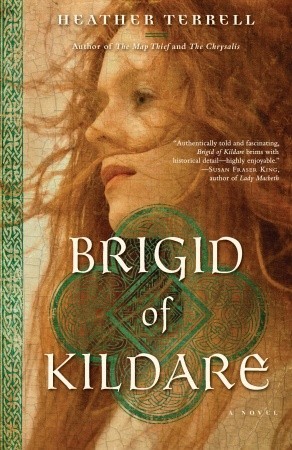
Brigid of Kildare by Heather Terrell

A historical fiction work centering around the woman who became St. Brigid. Brigid was Ireland’s first and only female bishop and while not much is known of her life, this story is a wonderful imagining of her story and influence, and ultimately how the Catholic church has carried the essence of the goddess Brigid through to the present day.

Happy almost Spring, friends!